Cart
0
Last Updated: November 5, 2026
Quick Summary
The best non toxic relief for razor burn is cool water and a cold compress in the first hour, followed by a fragrance-free moisturizer or plain petrolatum to rebuild the skin barrier. Razor burn usually clears in one to three days with this basic care. Skip alcohol-based aftershaves, fragrance, and acidic remedies like apple cider vinegar or lemon juice.
- Razor burn is a friction and barrier problem, not an allergy, so cooling and barrier repair are the priority.
- Apply a cold compress for five to ten minutes, using a clean cloth soaked in cool water rather than ice.
- Patch test any new product on your inner forearm or behind your ear for 24 hours before applying it broadly.
- Skip shaving the pubic area for at least a week after razor burn appears there.
- Shave after a warm shower, with the grain, using a sharp razor and light pressure to prevent razor burn.
Table of Contents
- Why Razor Burn Happens and How to Tell It From Razor Bumps
- How Long Does Razor Burn Last?
- Step-by-Step: Non Toxic Relief for Razor Burn by Severity and Timing
- Non Toxic Relief for Razor Burn Home Remedies, Graded by Evidence
- Choosing a Razor Burn Cream: A Non-Toxic Ingredient Guide
- How to Treat Razor Burn on the Pubic Area and Other Sensitive Skin
- Preventing Razor Burn on Your Next Shave
- Build Your Non-Toxic Razor Burn Routine With Derma Salt
- Frequently Asked Questions
Why Razor Burn Happens and How to Tell It From Razor Bumps
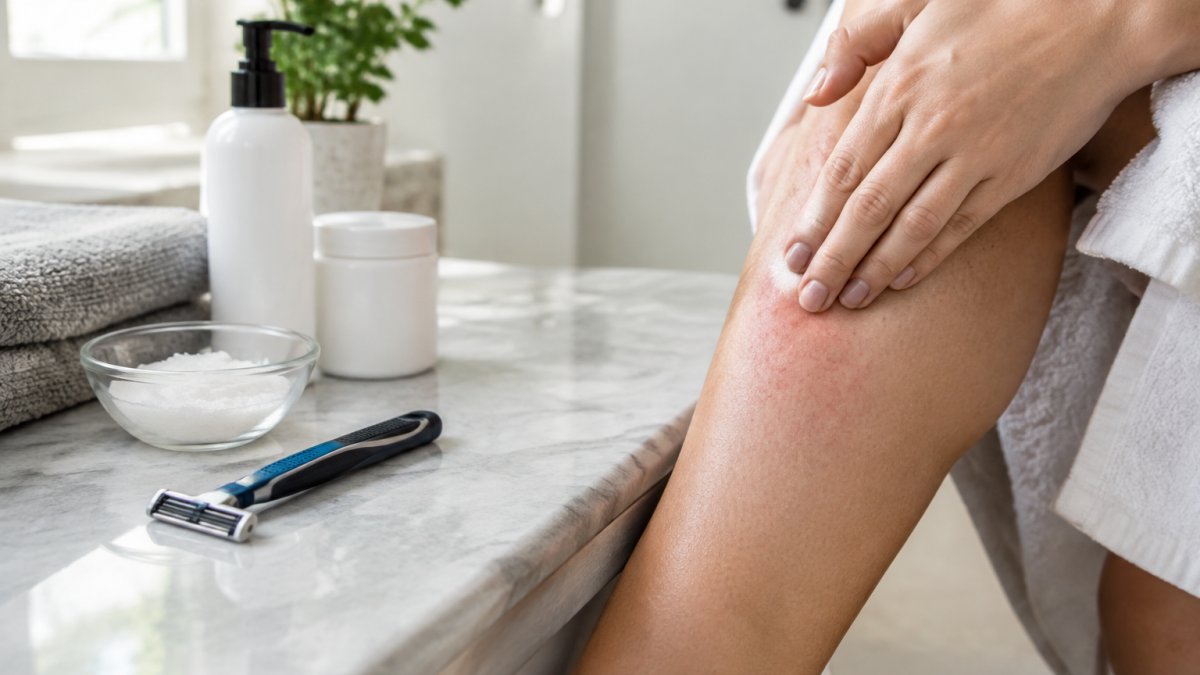
Razor burn is skin irritation that shows up as redness, stinging, and itching right after you shave. It happens when the blade scrapes away more than hair, stripping the top layer of skin and leaving it raw.
The cause is usually mechanical. Too much pressure, a dull blade, or shaving dry all increase friction, which removes dead skin cells and opens tiny gaps in the skin barrier.
Razor Burn vs. Razor Bumps, Folliculitis, and Ingrown Hairs
- Razor burn: flat redness and stinging across a shaved area, starting within minutes.
- Razor bumps: small raised bumps that appear a day or two later, often from hair curling back into skin.
- Folliculitis: infected follicles that look like tiny pimples, sometimes with pus.
The difference matters. Razor burn responds to cooling and barrier repair. Folliculitis and deep ingrown hairs may need a doctor, especially if they spread or feel hot. Watch out: picking at a bump to "release" an ingrown hair is the fastest way to turn a minor issue into an infection.
How Long Does Razor Burn Last?
Razor burn usually clears in one to three days with basic care. Mild redness often fades within hours. Deeper irritation with stinging can linger up to a week if the skin stays dry or you shave again too soon.
Duration depends on how much barrier damage occurred. A quick shave over dry skin may sting for an afternoon, while repeated passes with a dull razor can leave skin reactive for several days.
Step-by-Step: Non Toxic Relief for Razor Burn by Severity and Timing
The right move depends on when the burn happened and how bad it looks. Timing changes the treatment.
The First Hour: Cool Water and a Cold Compress
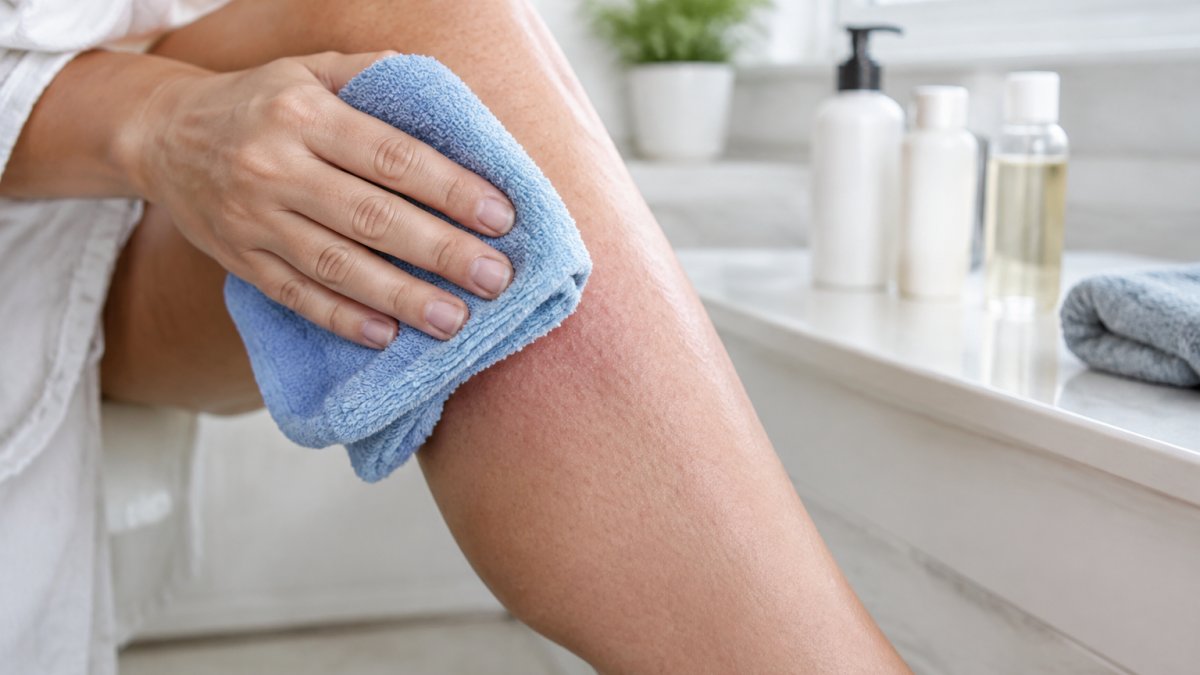
Start with cool water, not ice. Rinse the area gently to remove leftover shaving cream and loose hair. Then apply a cold compress for five to ten minutes.
- Use a clean cloth soaked in cool water.
- Skip ice directly on skin, which can add another burn.
- Pat dry, never rub.
Days 1-3: Calm Inflammation and Rebuild the Skin Barrier
Once the heat is gone, the goal shifts to hydration and barrier repair. A fragrance-free moisturizer applied while skin is still slightly damp helps lock in water. Avoid exfoliation, retinoids, and acids until the redness fades.
This is where a gentle, pH-balancing routine earns its keep. If you want a natural approach, our guide on how to soothe sensitive skin naturally walks through a calming routine step by step. Readers rebuilding a damaged barrier can also read how to restore skin pH balance naturally to understand why pH matters after irritation.
Non Toxic Relief for Razor Burn Home Remedies, Graded by Evidence
Not every folk remedy deserves a spot in your routine, and "natural" is not a synonym for "safe on broken skin." The table below grades the popular options by how much support they have and how likely they are to backfire. Grades reflect the general strength of published evidence and common dermatology practice, not a single study.
| Remedy | Evidence Level | Best For | Watch Out |
|---|---|---|---|
| Cool compress | Strong, low risk | Immediate stinging | None for most people |
| Colloidal oatmeal | Moderate | Itching, spread-out irritation | Messy; rinse gently |
| Aloe vera | Moderate | Soothing redness | Test for allergy first; some products contain alcohol or fragrance |
| Petrolatum | Strong, low risk | Sealing the barrier | Occlusive; avoid on infected or weeping skin |
| Witch hazel | Limited | Light astringent use | Alcohol-free versions only; distilled versions often contain alcohol |
| Coconut or olive oil | Limited | Moisture sealing | Can clog pores on some skin; not a substitute for a barrier cream |
| Tea tree oil | Weak | Antibacterial support | Must be diluted; allergy risk; never apply undiluted |
| Apple cider vinegar | Weak | Not recommended | Acidic; can sting and worsen irritation on raw skin |
| Lemon juice | Weak | Not recommended | Phototoxic and irritating; can cause a burn-like reaction |
Why the Grades Differ
The strongest options are the boring ones. Cool water and petrolatum have decades of use as barrier-friendly, low-irritant interventions, and colloidal oatmeal is commonly used as a skin protectant.
The weak tier is where people get hurt. Apple cider vinegar and lemon juice are acidic enough to sting raw skin, and lemon juice is phototoxic, meaning sun exposure after application can cause a burn-like reaction.
How to Patch Test Before You Commit
Patch testing is the step most guides skip, and it prevents a minor sting from becoming a week-long rash.
- Apply a small amount of the product to your inner forearm or behind your ear.
- Leave it uncovered and undisturbed for 24 hours.
- Check for redness, itching, or swelling at the site.
- If there is no reaction, repeat on a small patch of the shaved area before applying broadly.
Watch out: stop using any product immediately if you develop spreading redness, hives, or swelling beyond the test site, and do not reapply it to "see if it happens again."
What to Do If a Remedy Makes It Worse
If a home remedy increases stinging, redness, or swelling, rinse with cool water, stop the product, and apply plain petrolatum or a fragrance-free moisturizer. If the reaction spreads, blisters, or does not improve within 48 hours, see a doctor.
If you want a natural approach, our guide on how to soothe sensitive skin naturally walks through a calming routine step by step.
Choosing a Razor Burn Cream: A Non-Toxic Ingredient Guide
Most guides tell you to pick a "gentle" cream and move on, which is too vague to act on when your skin is raw. This section treats "non-toxic" as a practical screening standard, not a marketing badge, and gives you a label-reading checklist you can use in the aisle.
What "Non-Toxic" Actually Means for Broken Skin
On intact skin, a mild sensitizer may cause no reaction. On razor-burned skin, the barrier is compromised, so the same ingredient can sting, burn, or trigger contact dermatitis. For this use case, "non-toxic" should mean:
- No added fragrance or perfume, fragrance is one of the most common causes of allergic contact dermatitis, and "natural fragrance" or "essential oil blend" on a label is not a safety guarantee.
- No drying alcohols, denatured alcohol, SD alcohol, and isopropyl alcohol evaporate quickly and can sting open skin; they are different from fatty alcohols like cetyl or stearyl alcohol, which are emollients and generally fine.
- No menthol, camphor, or peppermint oil, these create a cooling sensation by irritating nerve endings, which is the opposite of calming inflamed skin.
A short ingredient list is not automatically safer, and a plant-derived ingredient is not automatically gentle. Poison ivy is natural. The question is whether a specific ingredient has a known irritation or allergy profile for compromised skin.
A Label-Reading Checklist You Can Use in the Store
Run any candidate product through these five checks before you buy:
- Scan for the word "fragrance" or "parfum." If it appears, put the product back. "Fragrance-free" is the claim you want; "unscented" can still contain masking fragrance.
- Check the first five ingredients for drying alcohols. If alcohol denat. or isopropyl alcohol is near the top, skip it.
- Look for barrier-supporting emollients and humectants. Shea butter, squalane, glycerin, panthenol, and colloidal oatmeal are reasonable choices for post-shave skin.
- Flag known sensitizers. Essential oils, citrus extracts, methylisothiazolinone, and propylene glycol are worth avoiding on freshly shaved skin, especially if you have reacted to them before.
- Confirm the product is intended for compromised skin. A body lotion formulated for daily use may contain fragrance or acids that a post-shave balm does not.
Watch out: "clean," "green," and "botanical" are marketing terms, not regulated safety claims, and they tell you nothing about whether a product will sting razor burn.
Ingredients Worth Seeking Out
- Colloidal oatmeal, recognized by the Food and Drug Administration as a skin protectant; useful for itching and spread-out irritation.
- Petrolatum or dimethicone, occlusives that seal the barrier and reduce water loss; plain petrolatum is among the least irritating options for raw skin.
- Glycerin and hyaluronic acid, humectants that pull water into the skin; best applied while skin is still slightly damp.
Ingredients to Skip Until Redness Fades
Menthol-heavy "cooling" gels, high-percentage acids, retinoids, physical scrubs, and anything with a strong scent. If itching and swelling are severe, an over-the-counter hydrocortisone cream can help short-term, but check with a pharmacist before using it on large areas or for more than a few days.
For readers screening ingredients for reactive skin, our guide on safe skincare for reactive skin types helps remove the guesswork. Patch testing, covered in the home remedies section above, applies to any new cream you bring home.
How to Treat Razor Burn on the Pubic Area and Other Sensitive Skin
Sensitive areas need a lighter touch. The skin is thinner, hair is coarser, and friction is higher, so razor burn here tends to sting more and last longer.
How to treat razor burn on the pubic area:
- Rinse with cool water right away.
- Apply a cold compress for five minutes.
- Use a fragrance-free, alcohol-free moisturizer.
- Wear loose, breathable clothing.
- Skip shaving that area for at least a week.
Skin tone matters too. On deeper skin tones, post-inflammatory darkening can linger long after the sting fades. Gentle care and sun protection help reduce that. If bumps form and do not resolve, see a dermatologist before treating further.
Preventing Razor Burn on Your Next Shave
Prevention beats treatment every time. Small changes to shaving technique cut irritation sharply.
- Soften first: shave after a warm shower.
- Use shaving cream: never shave dry.
- Shave with the grain: follow hair direction, not against it.
A common mistake is chasing a closer shave with extra passes. That closeness comes at the cost of irritation. One clean pass with a fresh blade beats three rough ones.
Build Your Non-Toxic Razor Burn Routine With Derma Salt
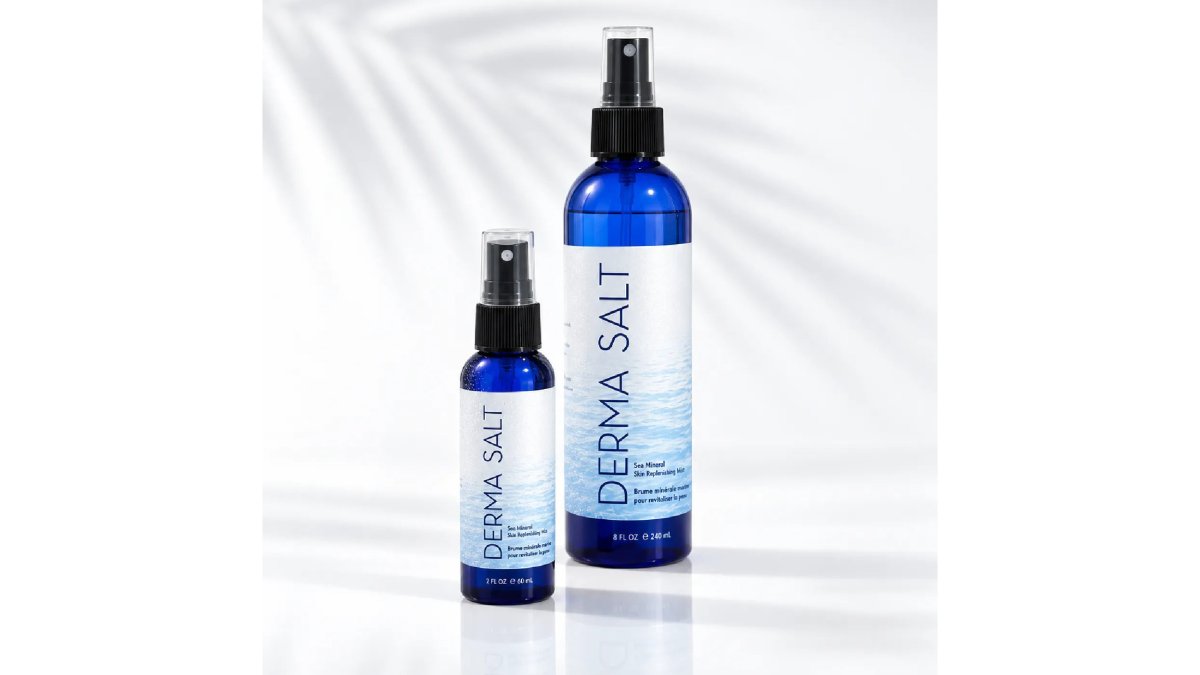
A simple routine beats a cabinet full of products. Cool water, a gentle moisturizer, and a mineral-based spray that supports pH balance cover most cases. That is where Derma Salt fits: a non-toxic formula made with mineral-rich salts and Kentucky spring water, free from harsh chemicals.
To complete your routine, you can shop with us today and read quick answers on usage and safety on our FAQ page before you buy.

Frequently Asked Questions
What is a natural remedy for razor burn?
Start with cool water or a cold compress for 10 to 15 minutes to calm stinging and redness. Then apply a fragrance-free, alcohol-free moisturizer or a thin layer of pure aloe vera to support the skin barrier. Colloidal oatmeal baths can ease widespread itching. Avoid apple cider vinegar, undiluted essential oils, and anything with fragrance, since these can sting broken skin and slow healing. If redness spreads or pus appears, see a doctor rather than treating it at home.
How long does razor burn last?
Most razor burn fades within 2 to 4 days. Redness and stinging usually peak in the first 24 hours and settle once you cool the skin and keep it moisturized. Razor bumps can linger longer, sometimes 1 to 2 weeks, because they involve inflamed hair follicles. If irritation lasts beyond a week, worsens, or comes with pus, warmth, or fever, that points to infection or folliculitis and needs medical care rather than more home remedies.
Is putting Aquaphor on razor burn okay?
Petroleum-based ointments like Aquaphor can protect raw, cracked skin and reduce moisture loss, so a thin layer is reasonable on small irritated patches. Skip it on areas prone to folliculitis or on pubic skin if you sweat heavily, since a heavy occlusive layer can trap bacteria and heat. For most razor burn, a lightweight fragrance-free moisturizer or a mineral salt spray is easier to apply and less likely to clog pores.
How do you treat razor burn on the pubic area?
Pubic skin is thinner and more sensitive, so go gentler than you would on your legs. Rinse with cool water, skip tight clothing for a day, and apply a fragrance-free moisturizer or a mineral-based spray. Do not scrub, exfoliate, or use hydrocortisone for more than a few days without asking a doctor. Shave with the grain, use a sharp razor, and change blades often. If you develop painful bumps that persist, get checked for folliculitis or ingrown hairs.
Razor burn is frustrating, but it rarely needs harsh chemicals to heal. The right timing, a gentle touch, and a pH-balancing formula do most of the work. Derma Salt offers a natural, clinically-inspired spray that fights bacteria, relieves redness and itching, and supports healthier-looking skin without harsh ingredients. Get started with Derma Salt and give irritated skin the calm, non-toxic care it deserves.