Cart
0

Table of Contents
- Start With a Gentle Cleanse to Soothe Sensitive Skin
- Build a Sensitive Skin Care Routine That Protects the Barrier
- Ingredients to Avoid for Sensitive Skin
- Natural Remedies for Itchy Skin: What Works and What Patch Test
- Causes of Itchy Skin Without a Rash
- Cooling Down: Heat, Moisture Loss, and Everyday Triggers
- When Sensitive Skin Needs Medical Attention
- Frequently Asked Questions
Last Updated: October 19, 2026
Start With a Gentle Cleanse to Soothe Sensitive Skin
If you want to soothe sensitive skin, the first move isn't adding a product. It's removing the ones that strip it.
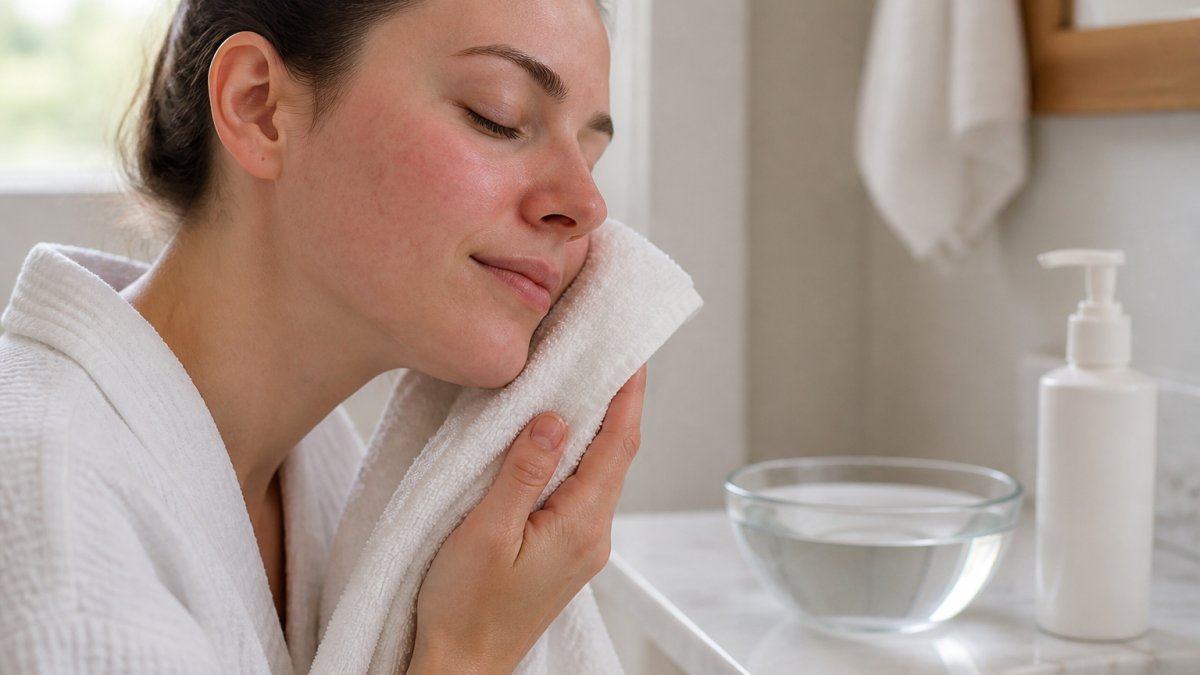
The fix is simple. Wash less aggressively, use lukewarm water, and pick a cleanser with no fragrance and no drying alcohols. Dermatologists generally agree that a mild, pH-balanced cleanser protects the skin barrier better than foaming or exfoliating formulas.
Choosing a Mild Cleanser and the Right Water Temperature
Look for labels that say "fragrance-free" and "for sensitive skin." Avoid anything with strong acids or scrubbing beads. Water temperature matters too: hot water pulls natural oils from your skin and leaves it tight and itchy. Lukewarm water cleans just as well without the sting.
- Pat dry instead of rubbing
- Skip the washcloth
- Cleanse once or twice a day, no more
- Rinse thoroughly so no residue stays behind
Build a Sensitive Skin Care Routine That Protects the Barrier
A good sensitive skin care routine is boring on purpose. The more steps you add, the more chances something irritates you. The goal is to protect your skin barrier, hold in moisture, and avoid surprises.
A Simple Morning and Evening Sequence
Morning: rinse with lukewarm water, apply a gentle moisturizer, then sunscreen.
Evening: cleanse with a mild cleanser, pat dry, and moisturize while skin is still slightly damp. Damp skin absorbs moisturizer better and loses less moisture overnight.
That's it. No toners, no essences, no ten-step layering. If your skin is reactive, adding fewer products gives you a clearer picture of what's actually helping.
Pro Tip
Apply moisturizer within a minute or two of patting your face dry. Locking in that bit of surface moisture makes a bigger difference than switching to a fancier cream.
Ingredients to Avoid for Sensitive Skin
The ingredients to avoid for sensitive skin are the usual suspects: fragrance, essential oils, drying alcohols, and strong exfoliating acids. These are common triggers for redness, stinging, and itching. But knowing the list is only half the job. The harder skill is figuring out which ingredient is actually bothering your skin, and that takes a method, not a memory test.
Read the Full Ingredient List, Not the Front Label
"Natural," "clean," "dermatologist-tested," and "hypoallergenic" are marketing terms, not regulated guarantees. The only reliable information is the ingredient list, usually on the back or bottom of the package. Scan it for these categories:
| Ingredient category | Common label names | Why it irritates | What to use instead |
|---|---|---|---|
| Fragrance | "fragrance," "parfum," "aroma" | Most common cause of cosmetic contact reactions | Fragrance-free formulas (not "unscented," which can still contain masking fragrance) |
| Drying alcohols | denatured alcohol, SD alcohol, isopropyl alcohol | Strips oils and disrupts the barrier | Alcohol-free, hydrating bases |
| Essential oils | lavender, citrus peel, peppermint, eucalyptus, tea tree | Natural but rich in volatile compounds that trigger reactions | Plain, unscented products |
| Strong acids and exfoliants | glycolic acid, salicylic acid, retinoids, scrubbing beads | Over-exfoliates already-reactive skin | Gentle, occasional use only; skip during flares |
| Preservatives | methylisothiazolinone, formaldehyde releasers | Less common but a known contact allergen | Products labeled for sensitive skin |
A practical shortcut: the shorter the ingredient list, the easier it is to isolate a culprit. When you're reactive, fewer ingredients means fewer variables.
Introduce One Product at a Time and Track Reactions
The single most useful habit for sensitive skin is changing only one thing at a time. If you start a new cleanser, moisturizer, and serum in the same week and your skin flares, you have no idea which one caused it.
A simple tracking method:
- Change one product every 7 to 10 days. Give your skin time to react before adding the next variable.
- Keep a short log. Note the product name, the date you started it, and any change in redness, itching, stinging, or breakouts. A notes app on your phone is enough.
- Photograph flares. A dated photo is more reliable than memory when you're trying to spot a pattern.
- Pause and re-test. If a flare follows a new product, stop it for two weeks. If the skin calms, you've likely found your trigger. Re-introduce it once to confirm, a true reaction usually repeats.
Pro Tip
Keep a "known-good" baseline routine of two or three products you trust. When you test something new, change only that one item and keep everything else identical. This turns your routine into a controlled experiment.
Patch Test Before You Commit
Even a product marketed for sensitive skin can surprise you. Before applying anything new to your face, patch test it on a small area of your inner forearm. Apply a thin layer, leave it uncovered, and check at 24 and 48 hours for redness, itching, or swelling. If the forearm stays calm, test a small spot near your jawline before using it on your full face.
When the Culprit Isn't a Skincare Product
Sometimes the trigger isn't in a bottle. Laundry detergent, fabric softener, dryer sheets, shampoo, and even the nickel in jewelry or eyeglass frames are common causes of contact irritation. If your skin reacts in specific locations, the waistband, the wrists, the hairline, look at what touches those areas rather than what you apply to your face.
Natural Remedies for Itchy Skin: What Works and What Patch Test
Natural remedies for itchy skin can calm irritation, but they're not all equal, and "natural" is not the same as "safe for reactive skin." Some options have reasonable support behind them; others are popular but unproven, and a few can make a flare worse. Here's how to tell them apart and use the gentler options without gambling on your skin.
What Has Reasonable Support
- Cool compresses. A clean cloth wrung out in cool water, applied for 10 to 15 minutes, calms the itch signal and reduces the urge to scratch. This is one of the most reliable, low-risk measures available.
- Colloidal oatmeal. Finely milled oat has a long history of use in soothing baths and creams for irritated skin. It's generally well tolerated, though anyone with an oat allergy should avoid it.
- Moisturizing early and often. Plain, fragrance-free moisturizer applied to slightly damp skin does more for most itchy, dry skin than any single botanical remedy.
- Mineral baths. Soaking in mineral-rich salts can soften skin and ease the urge to scratch, though the evidence is modest and results vary.
What to Approach With Caution
- Essential oils. Tea tree, lavender, peppermint, and eucalyptus are common in "natural" itch remedies, but they're also common causes of contact reactions. Never apply undiluted essential oil to skin, and skip them entirely during a flare.
- Food-based remedies. Applying yogurt, honey, vinegar, or citrus directly to reactive skin is a popular internet suggestion with little evidence and real irritation risk. The skin barrier is not a digestive system.
- Strong botanical extracts. "Natural" doesn't mean gentle. Citrus extracts and many plant oils can trigger redness and stinging, especially on broken or inflamed skin.
Watch Out
A reaction on your forearm is annoying. The same reaction on your face can mean a week of misery. Never skip a patch test on a botanical ingredient, and never apply a new remedy to broken, cracked, or bleeding skin.
How to Patch Test a Natural Remedy
- Dilute first. If a recipe calls for an essential oil, follow the dilution, typically a few drops per ounce of carrier oil, and never apply it neat.
- Test on the inner forearm. Apply a small amount to a quarter-sized area and leave it uncovered.
- Check at 24 and 48 hours. Look for redness, itching, swelling, or a burning sensation. Some reactions are delayed, which is why the 48-hour check matters.
- Test a small facial area. If the forearm stays calm, apply a small amount near the jawline for one day before using it more broadly.
- Stop at the first sign of stinging. Burning or stinging is not "working", it's a signal to rinse off with cool water.
Mineral Baths and Salt Sprays for Calmer Skin
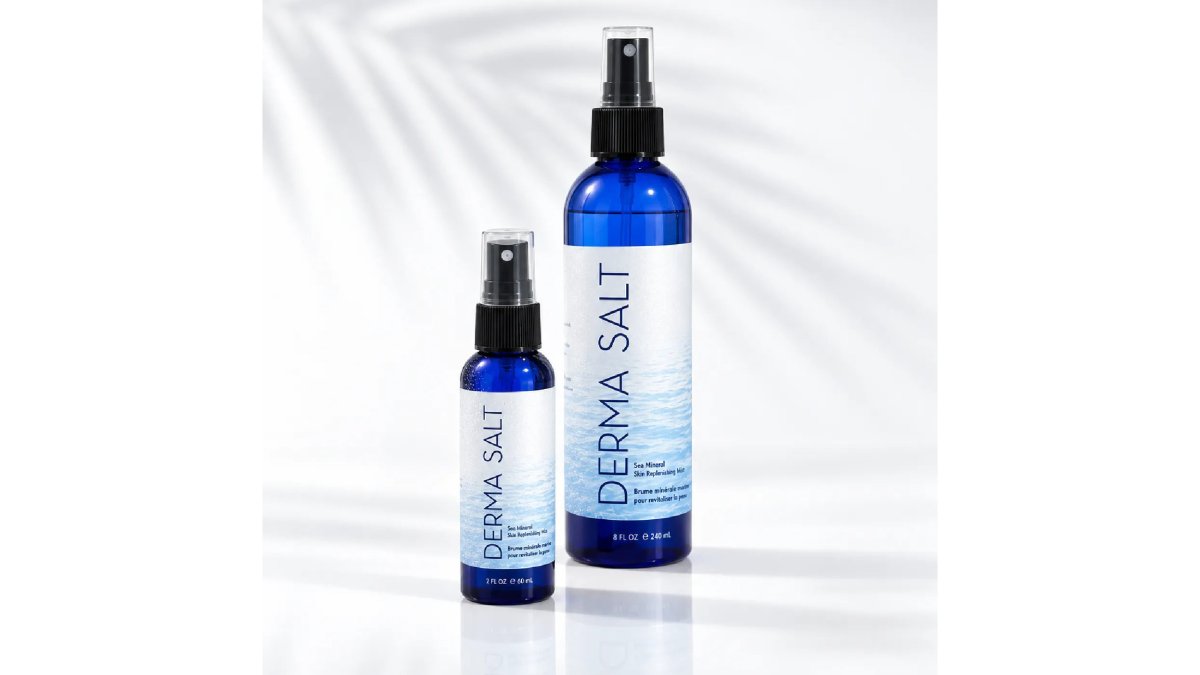
Mineral baths and salt sprays are a popular natural option for calming irritated skin. Mineral-rich salts can help soften skin and ease the urge to scratch, and a salt spray is a convenient way to apply that benefit without a full bath. Our Derma Salt spray uses a blend of skin-friendly salts and mineral-rich Kentucky spring water, with no alcohol, chlorine, or fragrance.

Key Takeaway
Cool compresses, colloidal oatmeal, and early moisturizing are the safest bets. Treat essential oils and food-based remedies as experiments that require a patch test, not as default fixes.
Causes of Itchy Skin Without a Rash
The causes of itchy skin without a rash often come down to dryness, heat, or product sensitivity. When there's no visible rash, the itch usually traces back to something in your environment or routine.
Common culprits include:
- Dry indoor air, especially in winter
- Hot showers and long baths
- Wool or synthetic fabrics against the skin
- A new soap, detergent, or lotion
Track when the itch shows up. If it follows a shower or a new product, you've likely found your trigger. If it's constant and unexplained, that's a sign to get it checked.
Cooling Down: Heat, Moisture Loss, and Everyday Triggers
Excess heat and moisture loss drive a lot of skin discomfort. Hot water, heavy blankets, and dry air all pull moisture from your skin and leave it itchy and tight.
A few habits help:
- Lower the thermostat and use a humidifier in dry months
- Take shorter, lukewarm showers
- Wear soft, breathable fabrics like cotton
- Use a cool compress on itchy patches instead of scratching
Scratching feels good for a second and makes everything worse after. A cool compress calms the itch without breaking the skin.
Key Takeaway
Most everyday itching comes from heat and moisture loss, not a mystery allergy. Fix the environment first, then look at products.
When Sensitive Skin Needs Medical Attention
Some skin symptoms need a doctor, not another moisturizer. Seek medical care if you notice:
- Itching that lasts more than two weeks with no clear cause
- Spreading redness, swelling, or warmth
- Signs of infection like pus or crusting
- Skin that cracks, bleeds, or won't heal
- Itching that disrupts sleep or daily life
A dermatologist can rule out conditions like eczema, psoriasis, or an allergy that needs targeted treatment. Natural care works alongside medical advice, not instead of it. If you're already under a dermatologist's care, ask before adding new products.
Frequently Asked Questions
What natural ingredients can soothe sensitive skin?
Mineral-rich salts, colloidal oatmeal, and plain lukewarm water are among the gentlest options. A mineral salt spray like Derma Salt uses a blend of skin-friendly salts and Kentucky limestone spring water with no alcohol, chlorine, or fragrance, which limits the chance of a reaction. Whatever you try, patch test on your inner forearm for 24 to 48 hours first, and stop using anything that stings, burns, or leaves redness that lasts more than a few minutes.
How long does it take for sensitive skin to calm down?
Mild irritation from a harsh cleanser or hot shower often settles within a few days once you remove the trigger and switch to lukewarm water and a mild moisturizer. Barrier recovery takes longer, usually one to four weeks of consistent gentle care. If redness, itching, or stinging keeps getting worse after two weeks of a simple routine, or spreads, see a dermatologist rather than adding more products.
When should I see a dermatologist about sensitive skin?
Book an appointment if symptoms persist beyond two to three weeks, keep returning after you remove irritants, or come with swelling, oozing, crusting, or pain. See a doctor promptly if itching is severe enough to disrupt sleep, if the skin feels hot, or if you notice spreading redness. Persistent dandruff, recurring athlete's foot, or a rash that changes shape also deserve a professional look before you keep experimenting at home.
Can mineral baths help soothe itchy or irritated skin?
Mineral-rich baths can calm itching for some people, but the details matter. Keep the water lukewarm rather than hot, limit soaks to about 10 to 15 minutes, and moisturize within a few minutes of patting dry to lock in hydration. A fragrance-free mineral salt spray such as Derma Salt ($24.00) is an alternative for targeted relief between baths. Skip anything with added fragrance or dyes, and patch test first if your skin reacts easily.
Sensitive skin doesn't have to run your life. Start with a gentle cleanse, protect your barrier, and keep your routine simple. When you want a natural option to calm redness, dryness, and itching, Derma Salt offers a gentle, non-toxic spray made with mineral-rich salts and Kentucky spring water, free from harsh chemicals, to support your skin's natural healing. Shop with us today and give your skin the simple, calming care it deserves.