Cart
0
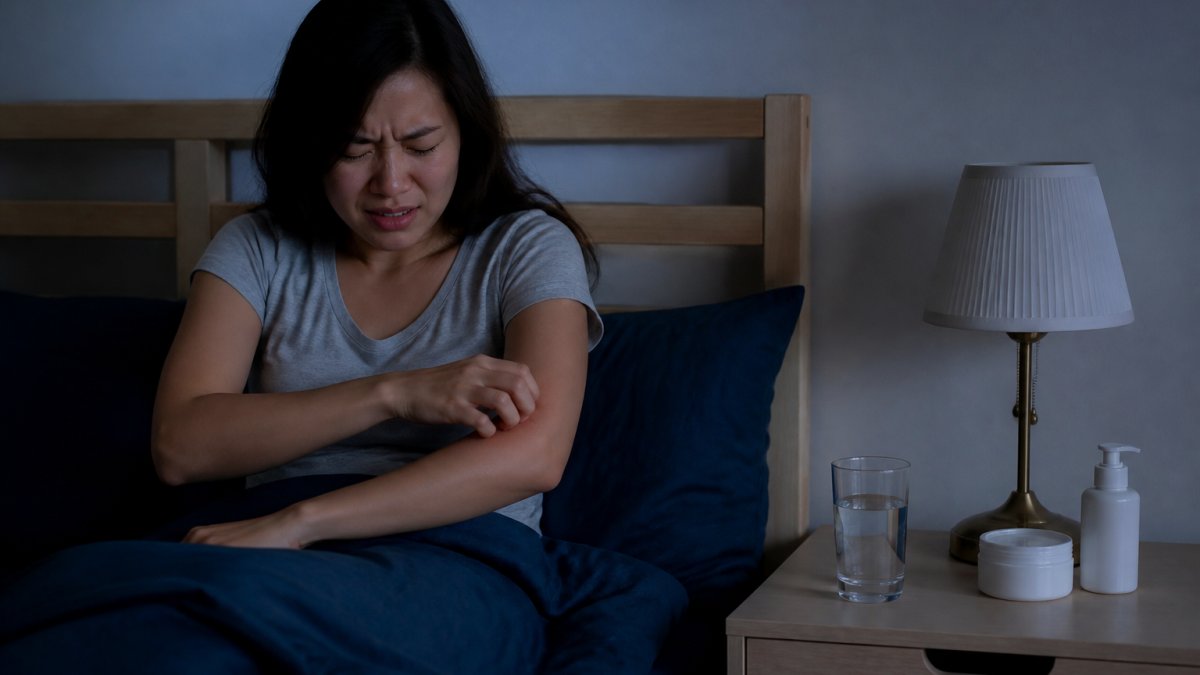
Table of Contents
- Why Eczema Itching Worsens at Night
- Build Your Eczema Bedtime Routine
- How to Sleep with Eczema: Environmental Control
- Itchy Skin at Night Remedies: Immediate Relief
- Melatonin and Eczema: What You Should Know
- When Nighttime Itching Signals a Bigger Problem
- Your Flare-Night Action Plan
- Frequently Asked Questions
Last Updated: October 21, 2026
Why Eczema Itching Worsens at Night
Nighttime eczema itching can feel unbearable. Your skin flares exactly when you need sleep most. This happens because your body's natural rhythms change after dark.
Body temperature rises slightly at night. Sweat increases. Your skin loses more moisture when you're wrapped in blankets. All three factors trigger intense itching.
Heat traps moisture against your skin. Sweat creates an ideal environment for bacteria growth. Both worsen inflammation and itching.
Pro Tip
The worst nighttime itch often happens 2-3 hours after you fall asleep, when your body temperature peaks and sweat production increases. Knowing this timing helps you plan your relief strategy.
Understanding why eczema itching at night happens is the first step. The good news: you can control most of these triggers with a structured routine.
Build Your Eczema Bedtime Routine
A solid eczema bedtime routine prevents flares before they start. The routine works best when you follow the same steps every night, about 1-2 hours before bed.
Step 1: Bathe or Shower 1-2 Hours Before Bed
Bathing removes sweat, dirt, and irritants from your skin. But water temperature matters enormously.
Use lukewarm water only, never hot. Hot water strips natural oils and worsens dryness.
Keep your bath or shower brief. Five to ten minutes is ideal. Longer exposure dries skin further.
Pat your skin dry gently. Do not rub. Leave skin slightly damp for the next step.
Watch Out
Avoid soap on most of your body. Use a fragrance-free cleanser instead. Soap strips oils your skin needs. Many people with eczema find that gentle cleansing with just water works best on most areas.
Step 2: Moisturize Your Skin Immediately After
This is the most critical step in your eczema bedtime routine. Moisturize within 3 minutes of bathing.
Damp skin absorbs moisturizer better than dry skin. Apply a thick cream or ointment, not a light lotion. Lotions contain too much water and not enough oil.
Look for fragrance-free products. Fragrance irritates eczema-prone skin. Apply moisturizer to all affected areas, then to your entire body.
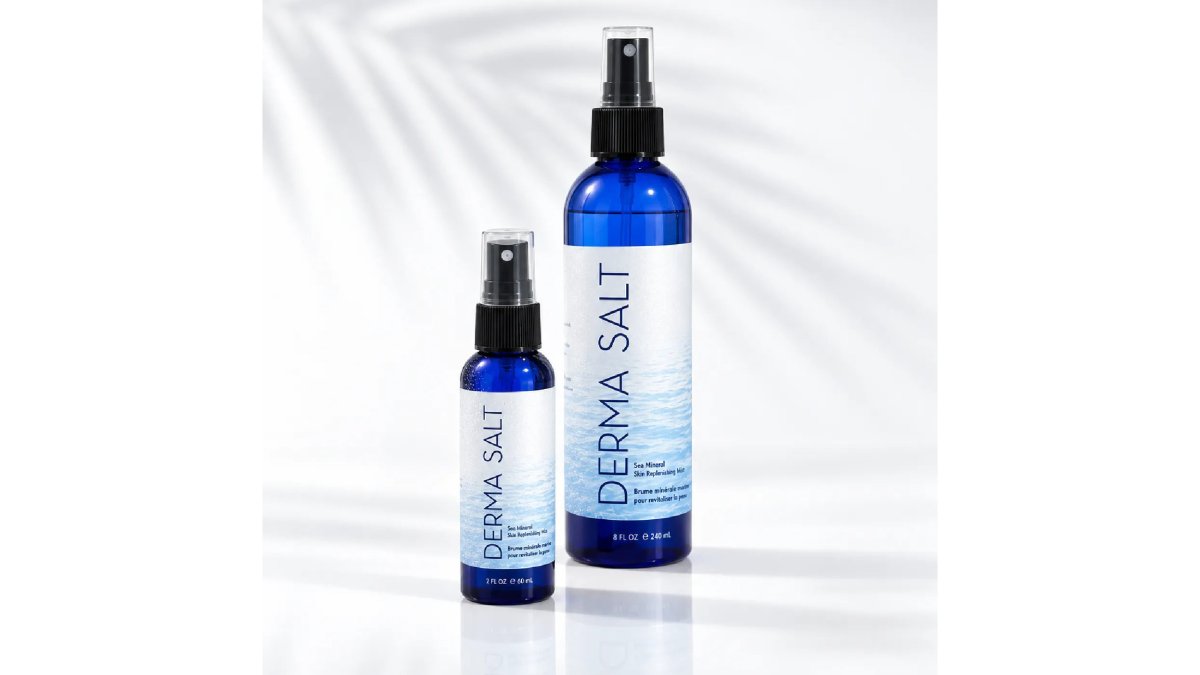
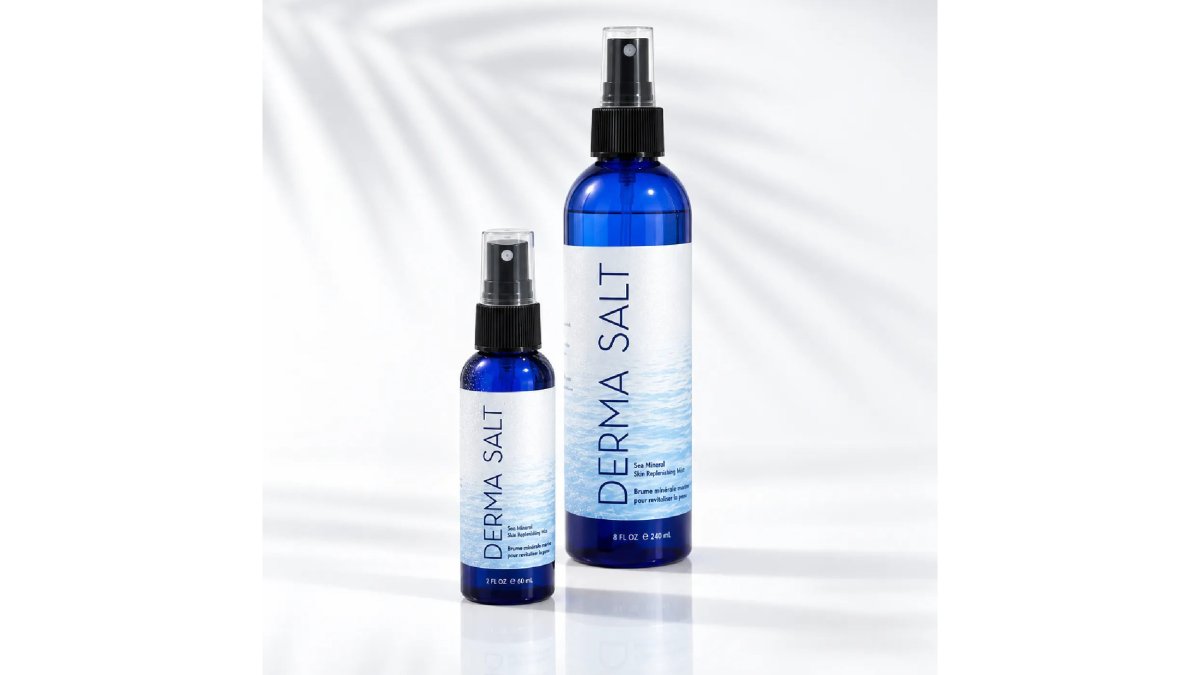
Derma Salt's natural formula works as a companion to your regular moisturizer. Our DERMA SALT SINGLE PACK harnesses mineral-rich Kentucky spring water and skin-friendly salts to restore pH balance and fight bacteria that worsen eczema.

Step 3: Apply Prescribed Eczema Medicines
If your doctor prescribed topical corticosteroids or other eczema medicines, apply them after your moisturizer dries slightly.
Follow your doctor's instructions exactly. Do not skip doses or reduce strength without asking your dermatologist. Prescription treatments work best when used consistently.
Allow 10-15 minutes between moisturizer and medicine. This prevents the medicine from being diluted by the moisturizer.
How to Sleep with Eczema: Environmental Control
Your bedroom environment either helps or hurts your nighttime eczema itching. Small changes make a huge difference.
Keep Your Bedroom Cool and Dry
Heat and humidity trigger eczema flares. Your bedroom temperature should be between 60-67 degrees Fahrenheit.
Use a fan if your room feels stuffy. Air circulation prevents sweat buildup. Open a window on cool nights.
Keep humidity between 30-50 percent. Too much humidity feeds bacteria. Too little dries your skin further.
Avoid electric blankets. They trap heat against your skin. Use lightweight cotton blankets instead.
Choose Breathable Sleepwear and Bedding
Your clothing and sheets touch your skin all night. Choose materials carefully.
Cotton is your best option. It breathes well and irritates sensitive skin less than synthetics.
Avoid wool and polyester. Both trap heat and can irritate eczema-prone skin.
Wash all bedding in fragrance-free detergent. Fragrance residue irritates skin throughout the night.
Wear loose-fitting sleepwear. Tight clothing rubs skin and triggers itching. Loose fits allow air circulation.
Itchy Skin at Night Remedies: Immediate Relief
When eczema itching at night breaks through your routine, you need relief that works in minutes, not days. It helps to separate two categories of options: measures that soothe the itch right now, and treatments that reduce eczema inflammation over time. Confusing the two leads to overusing quick fixes and underusing the treatments that actually change the disease course.
Fast-Acting Comfort Measures (Minutes)
These measures calm the sensation of itch and reduce the urge to scratch. They do not treat the underlying inflammation.
- Cool compresses. Soak a clean cloth in cool, not ice-cold, water and apply it to itchy areas for 10-15 minutes. Cold slows nerve signaling in the skin and temporarily numbs the itch. Keep the compress damp, not dripping, and pat the skin dry afterward so trapped moisture does not irritate it.
- Cooling moisturizer from the refrigerator. A thick, fragrance-free cream or ointment kept cold adds a soothing effect on contact. Apply it to damp skin after a brief cool rinse.
- Colloidal oatmeal baths. Finely milled colloidal oatmeal is a common over-the-counter soothing agent. Follow the package directions, keep the water lukewarm, and limit soak time to about 10 minutes. Pat dry and moisturize immediately.
Treatments That Control Eczema Over Time
These options reduce inflammation and are the backbone of eczema management. They work gradually and should be used as directed rather than only during a flare.
- Topical corticosteroids. These reduce inflammation directly in the skin. Use the potency and schedule your clinician prescribed. Applying a thin layer to affected areas and allowing it to absorb before adding moisturizer is a common approach. Do not increase strength or frequency without guidance.
- Non-steroid topical prescriptions. Some clinicians prescribe topical calcineurin inhibitors or other non-steroid options, especially for sensitive areas such as the face and eyelids. These are prescription decisions, not over-the-counter choices.
- Prescribed antihistamines. Antihistamines block histamine signals and some cause drowsiness, which can help with sleep. They are not a default eczema treatment and are not appropriate for everyone, especially young children. Discuss age, dose, and timing with a clinician or pharmacist before using them for nighttime itching.
A Simple Rule for Choosing
Use fast-acting comfort measures when the itch is active and you need relief now. Use prescribed treatments consistently to reduce how often those itch episodes happen. If you find yourself reaching for the same quick fix every night, that is a signal to review your maintenance plan with your clinician rather than escalate self-treatment.
Watch Out
Do not apply ice directly to the skin, and do not use a compress so cold that it hurts. Numbness and burning are signs the compress is too cold. Remove it and let the skin return to normal temperature.
Key Takeaway
Immediate relief buys comfort tonight; prescribed anti-inflammatory treatment reduces flares over time. The strongest nighttime plan uses both, with clear boundaries between them.
Melatonin and Eczema: What You Should Know
Many people with nighttime eczema ask whether melatonin or another sleep supplement can help. The honest answer is that sleep supplements are not eczema treatments, the evidence for most of them is modest, and safety depends heavily on age, other medications, and pregnancy status. This section gives a balanced view so you can make an informed decision with a clinician rather than treating a supplement as a default fix.
What Melatonin Does and Does Not Do
Melatonin is a hormone the body produces to signal darkness and prepare for sleep. Supplemental melatonin can shorten the time it takes some people to fall asleep.
Evidence for melatonin in adults is mixed and generally modest. Benefits tend to be small, and long-term safety data are limited. Melatonin is not a substitute for a consistent bedtime routine, a cool bedroom, and prescribed eczema treatment.
Safety Cautions Before You Try It
- Children. Melatonin is not appropriate for every child, and dosing is not standardized for pediatric use. Talk with a pediatric clinician before giving melatonin to a child, and never use it as a routine sleep aid without guidance.
- Pregnancy and breastfeeding. Check with a clinician before use.
- Medications and conditions. Melatonin can interact with blood thinners, some blood pressure medicines, diabetes medications, and immunosuppressants. It can also affect seizure disorders and autoimmune conditions. Review your full medication list with a pharmacist or clinician.
Other Sleep Supplements People Ask About
- Magnesium. Some people report better sleep, but evidence is limited and quality varies by form. High doses can cause digestive upset and are not appropriate for people with kidney problems.
- Valerian, chamomile, and lavender. These are common in teas and supplements. Evidence is modest, and product quality varies widely. Check for interactions and avoid combining multiple sedating products.
- Combination sleep products. These often contain several ingredients, making it hard to know what is helping or causing side effects. Review the full label with a pharmacist.
A Better First Step Than a Supplement
Before adding a sleep supplement, tighten the basics: a consistent bedtime, a cool dark room, no screens for the last hour, and a reliable eczema routine. If sleep is still disrupted night after night, that is a reason to talk with a clinician about both your eczema plan and your sleep, not a reason to self-escalate supplements.
Watch Out
Sleep supplements are not risk-free. Do not give melatonin or other sleep aids to children, and do not combine them with alcohol, sedatives, or other sleep products without professional guidance.
Key Takeaway
Melatonin may help some adults fall asleep, but it does not treat eczema and is not appropriate for everyone. Discuss any sleep supplement with a clinician or pharmacist, especially for children and people taking other medications.
When Nighttime Itching Signals a Bigger Problem
Most eczema itching at night responds to routine changes and proper treatment. Sometimes itching signals something else.
Watch for these warning signs:
- Itching that spreads to new areas rapidly
- Signs of infection (pus, warmth, swelling, red streaks)
- Itching that wakes you multiple times every night despite treatment
These signs mean you need to see your dermatologist. Infection requires prescription antibiotics. Severe flares may need stronger treatment. Your doctor can adjust your plan based on what's happening.
Do not wait if you suspect infection. Infected eczema spreads quickly and needs prompt treatment.
Your Flare-Night Action Plan
When a bad flare hits at night, follow this step-by-step plan:
- Get out of bed if possible. Lying down makes itching feel worse.
- Take a cool (not cold) bath or shower. Keep it under five minutes.
- Pat skin dry gently. Leave it slightly damp.
- Apply your regular moisturizer to damp skin.
- Apply a cool compress to the worst itching areas for 10-15 minutes.
- Take your prescribed antihistamine if you haven't already.
- Apply your topical corticosteroid as directed.
- Put on clean, loose cotton clothing.
- Return to your cool bedroom.
- Try gentle relaxation techniques, deep breathing helps calm both your mind and your skin's inflammatory response.
This plan addresses the itch from multiple angles at once. You're cooling skin, moisturizing, treating inflammation, and preventing scratching damage.
Keep this plan written down. During a bad flare, your brain is foggy from lack of sleep. Having steps written out removes guesswork.
Nighttime eczema itching disrupts sleep and damages your skin barrier. Derma Salt's natural mineral formula supports your skin's pH balance and fights bacteria that worsen eczema, making it a smart addition to your nighttime care plan. Get started with DERMA SALT SINGLE PACK and the routine above to reclaim your sleep and healthier skin.
Frequently Asked Questions
Does eczema itch more at night, and why?
Yes. Nighttime itching is one of the most common complaints among people with eczema and atopic dermatitis. Several factors converge at night: your skin loses moisture more rapidly when you're not moving, body temperature rises as you sleep, and your body's natural anti-inflammatory response weakens in the evening. Heat and sweat under bedding trigger flare-ups, while the reduced distraction of sleep makes itching feel more intense. This itch-scratch cycle disrupts sleep quality and can damage the skin barrier further.
Should I moisturize before bed if I have eczema?
Yes, absolutely. Moisturizing before bed is one of the most effective steps in your eczema bedtime routine. Apply emollients or creams within 3 minutes of bathing to lock in hydration, then reapply a fragrance-free moisturizer 30-60 minutes before sleep. This helps restore your skin barrier, reduces inflammation, and lessens the urge to scratch. Choose products without fragrance or synthetic chemicals, look for ingredients like ceramides and natural oils that support skin hydration without irritating sensitive skin.
Can melatonin help with eczema-related sleep problems?
Melatonin may help you fall asleep faster, but it does not treat eczema itching itself. If sleep disturbance is driven by itching, melatonin alone won't solve the root cause. However, better sleep can support your immune system and skin healing. Before using melatonin or any sleep supplement, consult your doctor, especially if you take other medications. Focus first on controlling itching through moisturizing, cool compresses, and prescribed treatments, better itch control naturally improves sleep quality.
When should I contact a doctor about nighttime eczema itching?
Contact your doctor if nighttime itching prevents sleep for more than a few nights per week, if you notice signs of skin infection (warmth, pus, crusting, or increased redness), or if your current treatment stops working. Also seek advice if itching wakes your child repeatedly or if over-the-counter remedies and moisturizing routines don't reduce symptoms within 2 weeks. Your doctor can prescribe topical corticosteroids, antihistamines, or other treatments tailored to your flare severity.