Cart
0
Quick Summary
To prevent dandruff, wash your scalp regularly, rinse all product out completely, and keep it moisturized without leaving it greasy. Flakes often return when oil, buildup, dry air, or stress are still present, so a steady routine works better than a quick fix.
- Wash every one to three days, depending on how oily your scalp is.
- Rinse until the water runs clear and give your scalp an extra 30 seconds.
- Use lukewarm water in winter, since hot water strips natural oils.
- Condition the lengths of your hair, not the scalp, to avoid roots buildup.
- Check your scalp weekly for new itching, redness, or flakes so you can adjust early.
Want a simpler scalp routine?Derma Salt uses just mineral water and salt for a natural, gentle home care option.
Explore Natural Scalp Care
Table of Contents
- How to Prevent Dandruff Naturally at Home
- What Dandruff Looks Like and Why It Returns
- Common Causes and Triggers to Watch For
- How to Avoid Dandruff in Winter Naturally
- Step-by-Step Daily Scalp Routine to Prevent Flaking
- Choosing a Dandruff Shampoo for Your Scalp Type
- Dandruff Treatment at Home: Natural Mineral Water and Salt Rinse
- Overnight Dandruff Treatment and Scalp Care Habits
- Start Your Dandruff Prevention Routine This Week
- Frequently Asked Questions
How to Prevent Dandruff Naturally at Home
Last Updated: November 21, 2026

What Dandruff Looks Like and Why It Returns
Dandruff shows up as white or yellowish flakes in the hair, on the shoulders, or on dark clothing. The scalp often feels itchy, tight, or slightly oily. At Derma Salt, we hear from people who clear their flakes for a few weeks and then watch them come back.
Dandruff is a mild, common scalp condition in which the skin sheds dead cells faster than usual. Those cells clump together and show up as visible flakes.
Dandruff tends to return when the conditions that caused it are still present, so a steady routine is a sensible way to help prevent it over time. You can compare natural alternatives to medicated dandruff shampoo to see which everyday options fit your routine. Simple habits can keep the scalp calmer:
- Wash often enough to clear oil and buildup
- Rinse all product out completely
- Keep the scalp moisturized but not greasy
Common Causes and Triggers to Watch For
Dandruff rarely has one cause. Several everyday factors often work together. Knowing them makes prevention easier.
Common triggers include:
- Excess oil: Oily scalps give yeast-like organisms more to feed on
- Product buildup: Heavy styling products and leftover conditioner can trap flakes
- Dry air: Cold, dry weather can leave the scalp tight and flaky
Watch for patterns. If flakes spike after a new product or during a busy season, that is a useful clue for your routine.
How to Avoid Dandruff in Winter Naturally
Winter is one of the hardest seasons for the scalp. Indoor heating dries out the air, and many people wear hats that trap sweat and oil. Both can set off flaking.
Simple winter habits help:
- Use lukewarm water: Hot water strips natural oils and can make the scalp itchier
- Wash on a steady schedule: Keep washing consistent instead of letting oil build up under hats
- Dry hair fully before wearing a hat: Damp hair under a hat encourages irritation
A steady winter routine may help reduce seasonal flare-ups.
Step-by-Step Daily Scalp Routine to Prevent Flaking
A consistent routine can support prevention. Follow these steps most days, and adjust the frequency to your scalp type.
- Wash regularly. Wash every one to three days, depending on how oily your scalp is.
- Use a gentle cleanser. Massage it into the scalp with your fingertips, not your nails.
- Rinse thoroughly. Leftover product is a common cause of flaking.
- Condition the lengths, not the scalp. Keep conditioner away from the roots.
- Dry gently. Pat hair with a towel and avoid rubbing the scalp.
- Check your scalp weekly. Look for new itching, redness, or flakes so you can adjust early.
Washing Frequency and Gentle Cleansing
Most people do best washing every one to three days. Oily scalps may need more frequent washing, while dry or curly hair often does well with less. Choose a fragrance-free, mild cleanser, and massage it in with the pads of your fingers. Harsh scrubbing can irritate the skin and make flaking worse.
Rinsing and Product Buildup Control
Rinse until the water runs clear, and give your scalp an extra 30 seconds under the water. Many flakes are simply leftover product sitting on the skin. If you use heavy styling products, consider a clarifying wash once a week to clear buildup.
Choosing a Dandruff Shampoo for Your Scalp Type
The right cleanser depends less on marketing claims and more on three things: how oily your scalp gets, how dry or sensitive your skin is, and how textured or treated your hair is. A product that works for an oily, straight-haired scalp can leave a dry, curly, or color-treated scalp tight and flaky. If your scalp reacts easily, see how to pick fragrance-free salt products for sensitive skin. Use the guide below to match your routine to your scalp, then keep it simple.

Match the cleanser to your scalp type
- Oily scalp (shine within a day, flakes that look yellowish and cling to the scalp): Wash more often, every one to two days, and choose a light, rinse-clean formula. Avoid heavy creams, butters, and oil-based leave-ins near the roots, since they give oil-loving scalp organisms more to feed on.
- Dry scalp (tightness, fine white flakes, itchiness after washing): Wash less often, every two to three days, use lukewarm water, and favor fragrance-free, mild cleansers. A light, water-based scalp mist between washes can ease tightness without adding grease.
- Sensitive scalp (stinging, redness, or itching after products): Cut fragrance, essential oils, and strong surfactants first. Patch-test any new product on a small area behind the ear or at the hairline for a day or two before using it on the whole scalp.
Adjust for hair texture and styling routine
- Straight, fine hair: Buildup shows fast. Rinse an extra 30 seconds and consider a once-weekly clarifying wash if you use styling products.
- Curly and coily hair: Shampoo less often, every three to seven days, and rely on thorough scalp rinsing and gentle finger massage between washes. Heavy creams belong on the lengths, not the roots.
- Chemically treated or color-treated hair: Choose the mildest cleanser you can and keep heat and harsh treatments away from the scalp. Treated hair is more prone to dryness that mimics flaking.
Read the label like an editor
Look for short ingredient lists, no added fragrance if your scalp is reactive, and a pH that sits close to the skin's natural mildly acidic range.
Watch out: If a new cleanser causes stinging, spreading redness, or flakes that get worse rather than better after two weeks, stop using it and return to the mildest routine that previously kept your scalp calm.
A simple two-ingredient mineral water and salt mist may be used alongside whichever cleanser you choose, on clean, damp hair, to refresh the scalp between washes.
Dandruff Treatment at Home: Natural Mineral Water and Salt Rinse
Derma Salt is built around just two natural ingredients: mineral water and salt, with no additional add-ins. It is positioned as a natural, homeopathic-style option for everyday skin and scalp care, rather than a medication.
To try a mineral water and salt rinse at home:
- Use a small amount of the Derma Salt spray or rinse on clean, damp hair
- Massage gently into the scalp with your fingertips
- Let it sit briefly, then rinse with lukewarm water
- Repeat a few times a week, and adjust based on how your scalp feels
Watch how your skin responds, and stop if you notice stinging or increased irritation. You can explore the DERMA SALT Twin Pack if you want to try the two-ingredient approach, or pick up the DERMA SALT Family Pack for regular use across the household.
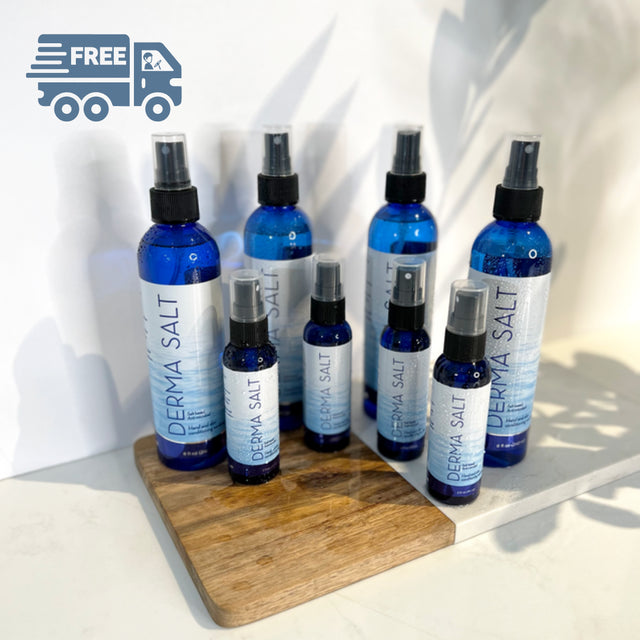
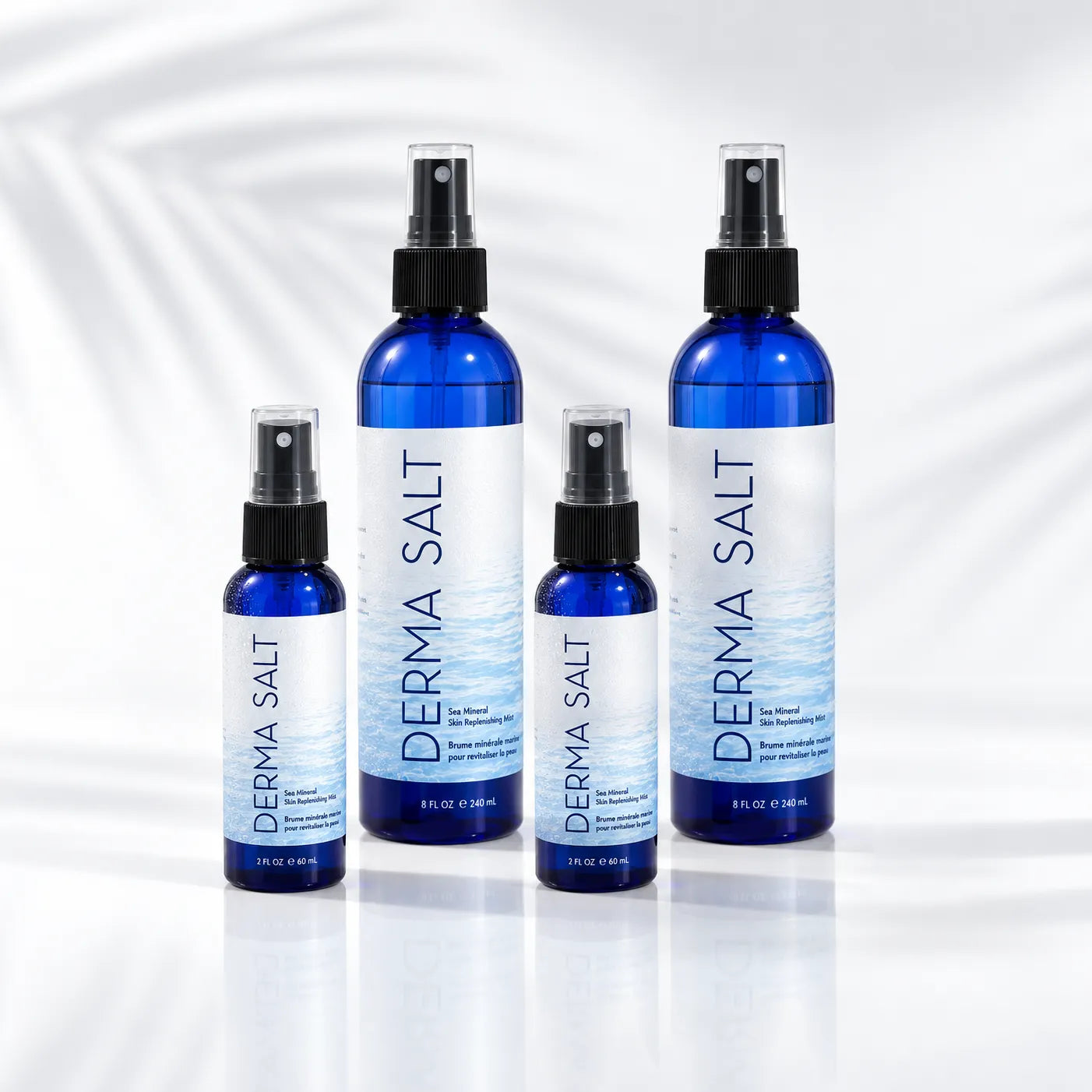
Derma Salt is built on just two natural ingredients, so here is how its two-ingredient approach fits into a simple at-home routine.
| Item | Ingredients | Positioning |
|---|---|---|
| Derma Salt spray or rinse | Mineral water and salt | Natural, homeopathic-style option |
| Additional add-ins | None | Two natural ingredients only |
| Suggested frequency | A few times a week | Adjust to how your scalp feels |
| Stop if | Stinging or increased irritation | Watch how your skin responds |
Overnight Dandruff Treatment and Scalp Care Habits
Overnight care is less about leaving a heavy product on your head and more about giving the scalp a calm, clean environment while you sleep. The goal is a light, breathable layer, or none at all, plus a few habits that reduce friction and buildup while you sleep.
A simple overnight sequence
- Cleanse earlier in the evening, not right before bed. Washing an hour or two before sleep gives the scalp time to dry fully. Going to bed with damp roots under a pillow traps moisture and heat.
- Apply a small amount. For a light water-based mist, a few pumps across the part lines is enough. More is not better; residue is the enemy here.
- Massage with fingertips, not nails. Sixty seconds of gentle circular pressure improves circulation and lifts loose flakes without scratching the skin.
- Leave it on overnight only if the product is designed for it. If you feel stinging, warmth, or tightness within a few minutes, rinse it out rather than sleeping on it.
- Rinse or wash in the morning. A lukewarm rinse clears residue before you style.
Bedroom habits that reduce flaking
- Change pillowcases often. Aim for every two to three days, and choose a smooth, breathable fabric over heavy synthetics.
- Brush gently before bed. A few slow strokes with a soft brush or wide-tooth comb lifts loose flakes and distributes natural oils; aggressive brushing irritates the scalp.
- Skip heavy oils overnight. Thick oils and butters can seal the scalp and worsen buildup, especially on oily scalps.
- Keep the room from getting too dry. A humidifier in winter eases the tightness that drives flaking.
How often to use overnight care
Start with two nights a week and watch for three things: less itching in the morning, fewer visible flakes on the pillowcase, and no new redness. If your scalp feels calmer, keep that cadence. If it feels tight or irritated, cut back to once a week or pause.
Watch out: Never sleep in a treatment that stings, burns, or leaves the scalp hot. Rinse it out immediately and give the scalp a few days of plain, mild cleansing before trying anything new.
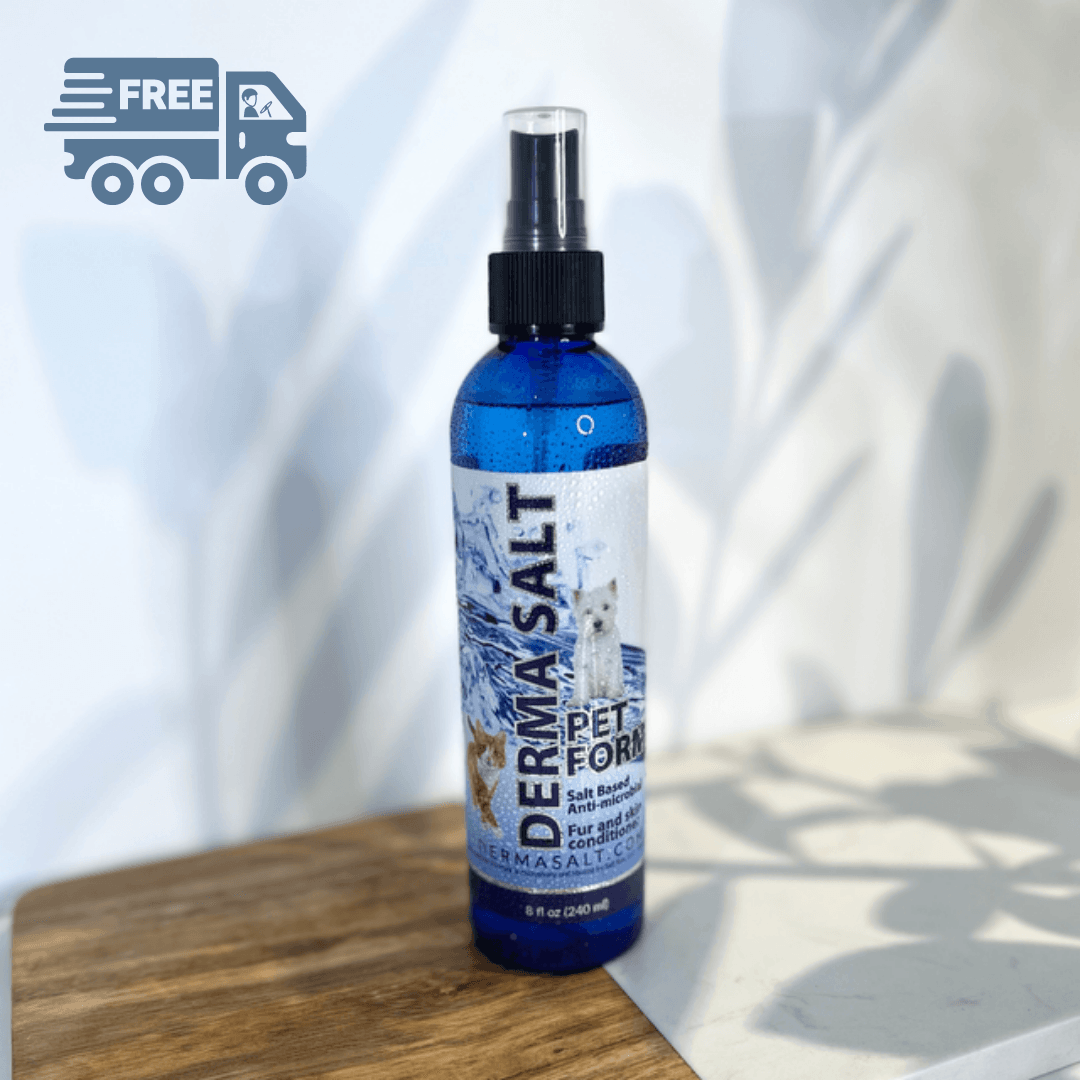
For people with itchy, flaking skin who want a gentle overnight option, the DERMA SALT PET FORMULA Natural Skin Relief Spray is designed for itchy skin and can be a useful reference for careful, consistent care.
Start Your Dandruff Prevention Routine This Week
Prevention works best when it becomes a habit. Start with one change this week, such as washing on a set schedule or rinsing more thoroughly. Then add the rest of the routine as it feels comfortable.
At Derma Salt, we offer a simple, two-ingredient approach with mineral water and salt and no additional add-ins. Visit our site to see how a mineral water and salt routine could fit into your week, and start building a calmer scalp today.
Frequently Asked Questions
Is there a way to prevent dandruff?
Yes. Dandruff is usually managed rather than cured, so prevention focuses on keeping the scalp clean without over-stripping it, rinsing thoroughly after washing, and avoiding long stretches without washing when your scalp gets oily. Many people find that a consistent routine of gentle cleansing, careful rinsing, and a simple mineral water and salt rinse helps reduce flaking over time. If flaking, itching, or redness persists or worsens despite consistent care, a dermatologist can help identify whether another scalp condition is involved.
Can I prevent dandruff naturally at home?
You can support prevention at home with habits rather than harsh products. Wash your hair regularly enough to keep excess oil and skin cells from building up, rinse all product out completely, and keep your scalp from becoming overly dry. Derma Salt is made with just two natural ingredients, mineral water and salt, with no additional add-ins, and is used as a natural homeopathic-style rinse. Results vary from person to person, so pay attention to how your scalp responds over several weeks.
How can I avoid dandruff in winter naturally?
Cold, dry air and indoor heating can leave the scalp dry and prone to flaking. To help avoid dandruff in winter naturally, wash with a gentle cleanser that does not strip oils, keep showers lukewarm rather than hot, and drink enough water. Covering your hair outdoors and avoiding frequent heat styling can also reduce scalp irritation. A mineral water and salt rinse may fit into a winter routine as a gentle, drug-free step.
When should I see a dermatologist about dandruff?
See a dermatologist if flaking does not improve after several weeks of consistent care, if your scalp becomes red, painful, or inflamed, if you notice hair loss, or if flaking spreads beyond the scalp. These signs can point to a condition other than dandruff, such as dry scalp or psoriasis, that needs a professional evaluation. Bring a record of the products you use and how often you wash, which helps a clinician understand your routine.