Cart
0
Table of Contents
- What Skin pH Really Means (and What It Doesn't)
- Signs of a Damaged Skin Barrier You Shouldn't Ignore
- What Throws Off Skin pH: Common Triggers
- How to Choose a pH-Balanced Cleanser
- A Step-by-Step Plan to Restore Skin pH Naturally
- How Long Does It Take to Repair the Skin Barrier?
- Building a Skin Care Routine for Sensitive Skin
- When to See a Dermatologist
- Frequently Asked Questions
Last Updated: October 18, 2026
What Skin pH Really Means (and What It Doesn't)
Skin pH measures acidity on your skin's surface, and a healthy value sits around 4.7 to 5.5 on the standard 0-to-14 scale. At Derma Salt, we explain it this way: the surface of your skin has its own chemistry, and that chemistry can drift.
Here is the part most guides get wrong: a number on a test strip is not a diagnosis. Skin pH and skin-barrier health overlap but are not interchangeable.
The Acid Mantle vs. the Skin Barrier
The acid mantle is the thin, acidic film of sweat, sebum, and naturally produced acids coating your skin's surface. It is your first line of defense: it slows harmful bacteria and keeps the enzymes that rebuild your barrier working.
That distinction matters: a product can shift your surface pH without repairing a damaged barrier, and a barrier can be repaired even when your pH reading looks ordinary.
Signs of a Damaged Skin Barrier You Shouldn't Ignore
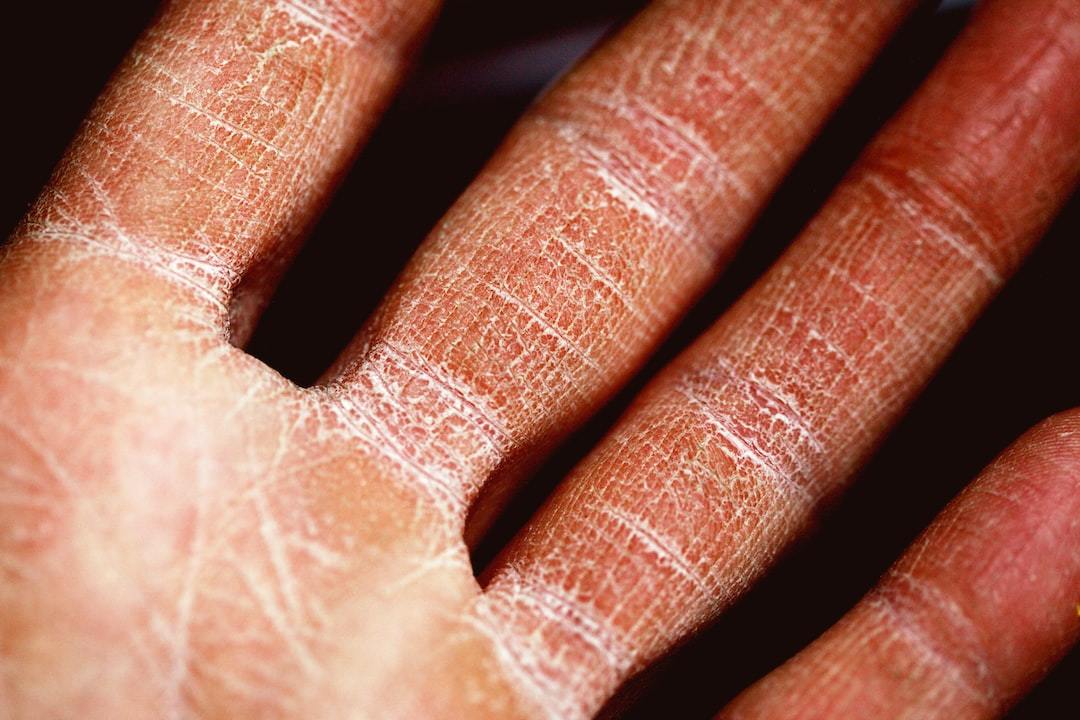
The clearest signs of a damaged skin barrier are persistent dryness, stinging when you apply products that used to feel fine, redness, tightness after washing, and increased sensitivity. These signals often show up before any pH shift becomes obvious.
Watch for a cluster of symptoms rather than a single one:
- Skin that stings or burns when you apply a moisturizer
- Flaking or rough patches that do not respond to hydration
- Redness that lingers after cleansing
A common mistake is treating these as separate problems and buying a product for each. In practice, they usually share one cause: a barrier stripped faster than it can rebuild.
What Throws Off Skin pH: Common Triggers
The most common triggers that throw off skin pH are harsh soaps, over-cleansing, hot water, and abrasive exfoliation. Each strips the acid mantle faster than your skin can restore it.
Other everyday culprits include:
- Cleansing more than twice a day, or using a foaming cleanser that leaves skin squeaky
- Hot showers and long baths, which dissolve the lipids holding your barrier together
- Physical scrubs and daily chemical exfoliants used together
What most guides miss is that the problem is usually frequency and combination, not any single product. One gentle cleanser used once a day rarely causes trouble. Three actives layered morning and night will.
Ingredient Combinations That Cause Irritation
Some ingredient pairings are a recipe for a compromised barrier. The issue is not that these ingredients are bad; using them together, daily, on sensitive skin gives your barrier no recovery window. Common problem pairings include:
- Retinoid plus AHA or BHA. Both accelerate turnover; together they cause flaking and stinging.
- Benzoyl peroxide plus exfoliating acids. Drying and irritating when stacked.
- Vitamin C (L-ascorbic acid) plus high-strength exfoliants. Low-pH vitamin C can sting on already-irritated skin.
If you are trying to restore skin pH, simplify before you optimize. Pick one active, use it a few nights a week, and give your skin clear days in between. A gentle, soap-free cleanser and a plain moisturizer do more for barrier recovery than a shelf of targeted treatments.
Temporary Irritation vs. a Condition That Needs Care
Not every red, stinging face is a simple barrier problem. Knowing the difference saves months of trial and error.
| Pattern | Suggests | What to do |
|---|---|---|
| Tightness and stinging after washing, improves with gentle care | Barrier disruption from over-cleansing | Simplify routine for 2-4 weeks |
| Dry, itchy patches that come and go, often in creases | Eczema (atopic dermatitis) | See a clinician; gentle care alone may not be enough |
| Flushing and visible blood vessels on cheeks and nose | Rosacea | Avoid triggers; seek professional assessment |
| Warmth, swelling, pus, or spreading redness | Possible infection | Seek medical care promptly |
| Rash that appears only where a new product was applied | Contact irritation or allergy | Stop the product; patch-test future products |
Key Takeaway
If irritation persists beyond four to six weeks of gentle care, or if you see oozing, crusting, warmth, or swelling, stop self-treating and see a dermatologist. Those signs point to something beyond a simple pH or barrier issue.
How to Choose a pH-Balanced Cleanser
A pH-balanced cleanser is formulated close to your skin's natural acidic range, typically labeled soap-free and low-pH. It cleans without the tight, squeaky feeling that tells you a cleanser has stripped your acid mantle.
Use this checklist when you shop:
- The label says soap-free or syndet (synthetic detergent) rather than "soap"
- It lists a pH or describes itself as pH-balanced
- Fragrance-free or low-fragrance, especially for sensitive skin
Here is the practical test we recommend: after washing, wait two minutes before applying anything. If your skin feels tight or itchy, the cleanser is too harsh for you.
A Step-by-Step Plan to Restore Skin pH Naturally
Restoring skin pH naturally comes down to four moves: stop the stripping, cleanse gently, moisturize while damp, and protect during the day. Give the plan two to four weeks of consistency before judging results.

- Strip your routine down to three steps. Cleanser, moisturizer, sunscreen. Pause actives, scrubs, and toners for at least two weeks.
- Switch to lukewarm water. Hot water dissolves barrier lipids. Keep showers short and the temperature moderate.
- Cleanse once at night, rinse with water in the morning. Most people over-cleanse without realizing it.
- Apply moisturizer within a minute of patting dry. Damp skin absorbs and holds hydration far better than dry skin.
- Add a gentle, mineral-rich mist if your skin feels reactive. A simple salt-and-mineral spray can calm irritation between steps; this is where a product like Derma Salt fits, since our formula is built around mineral-rich salts and spring water rather than harsh chemicals.
- Protect daily. Sun protection prevents the inflammation that slows barrier repair.
Ingredient-Level Guidance: What to Pause and What to Keep
"Natural" is not a safety label. Several plant-derived and DIY ingredients are among the most irritating things people put on compromised skin. Use this as a working guide, and patch-test anything new on your inner forearm for two nights before applying it to your face.
| Ingredient or product type | What it does to a stressed barrier | Practical guidance |
|---|---|---|
| Traditional bar soap (often pH 9-10) | Raises surface pH, strips lipids | Swap for a soap-free, low-pH cleanser |
| Foaming cleansers with sulfates | Can over-strip, leave skin tight | Use once nightly at most; rinse lukewarm |
| AHA/BHA acids | Exfoliate and can sting on damaged skin | Pause during recovery; reintroduce one at a time |
| Retinoids | Accelerate turnover, cause flaking early on | Pause, then restart 2-3 nights a week |
| Benzoyl peroxide | Effective for acne but drying | Do not stack with acids; use as a spot treatment |
| Vitamin C (L-ascorbic acid) | Can sting at low pH on irritated skin | Pause; consider a gentler derivative later |
| Fragrance and essential oils | Common contact irritants | Choose fragrance-free during recovery |
| Lemon juice, vinegar, baking soda DIY | Extremely acidic or alkaline; can burn | Do not apply to skin |
The Natural Angle: What the Evidence Supports and What It Doesn't
The keyword promises a natural approach, so it deserves a straight answer. The best-supported natural steps are unglamorous: fewer products, lukewarm water, a short routine, and consistent moisturizing. Colloidal oatmeal is a well-established soothing ingredient in barrier creams. Plain petrolatum or a fragrance-free cream is one of the most effective ways to reduce water loss. Sun protection prevents the inflammation that slows repair.
What to avoid, despite what you may read online:
- Lemon juice and vinegar. Both are far more acidic than skin and can cause burns and irritation, especially on sensitive or sun-exposed skin.
- Baking soda pastes. Highly alkaline and directly counter to the acidic mantle you are trying to restore.
- Essential oil "toners." Many, including citrus and peppermint oils, are common irritants.
Watch Out
If a natural remedy stings, burns, or leaves redness that lasts more than a few minutes, stop using it. "Natural" does not mean "non-irritating."
Reintroducing Actives Without Sliding Backward
Once your skin has been comfortable for two weeks, reintroduce one product at a time:
- Week 1: One active, two nights a week, buffered with moisturizer.
- Week 2: If no stinging or redness, move to three nights a week.
- Week 3: Add a second active only if the first is tolerated, and never on the same night.
If irritation returns, drop back to the three-step routine for a week. Rushing this step is the most common reason people slide backward.
How Long Does It Take to Repair the Skin Barrier?
Most people see meaningful improvement in barrier comfort within two to four weeks of gentle care, though full recovery can take longer depending on how compromised the skin is. Skin renews itself on a cycle of roughly a month, so real structural repair follows that timeline rather than happening overnight.
Expect this rough progression:
- Days 1-3: Less stinging, reduced tightness after cleansing
- Week 1-2: Dryness eases, redness starts to fade
- Week 3-4: Skin feels more resilient, reactions to products decrease
Building a Skin Care Routine for Sensitive Skin
A skin care routine for sensitive skin should be short, fragrance-light, and consistent: fewer products used reliably rather than many used sporadically.
| Step | Product | Frequency | Notes |
|---|---|---|---|
| Cleanse | Soap-free, pH-balanced cleanser | Once nightly | Lukewarm water, pat dry |
| Treat | Mineral-rich mist | As needed | Calms irritation between steps |
| Moisturize | Fragrance-free cream | Twice daily | Apply to damp skin |
| Protect | Broad-spectrum sunscreen | Every morning | Prevents inflammation |
Keep the routine stable for at least a month before changing anything. Sensitivity often improves simply because the skin is no longer being challenged daily.
When to See a Dermatologist
See a dermatologist if irritation persists beyond four to six weeks of gentle care, if you develop oozing, crusting, or spreading rash, or if symptoms interfere with sleep.
Also seek medical advice if a known condition like eczema or rosacea is flaring despite gentle care, or if you notice signs of infection such as warmth, swelling, or pus.
Restoring your skin's natural balance takes patience, but the path is simpler than most routines suggest: strip back, cleanse gently, moisturize consistently, and protect.
Frequently Asked Questions
How long does it take to restore skin pH balance?
Most people notice less tightness and redness within one to two weeks of switching to a gentle cleanser and adding a moisturizer. Full barrier recovery usually takes four to six weeks, because the outer layer of skin rebuilds itself slowly. If you have been over-cleansing or using harsh actives, expect a longer timeline. Stay consistent with lukewarm water, a pH-balanced cleanser, and daily moisturizer, and avoid adding new exfoliants until irritation settles.
What are the signs that your skin pH is off?
Common signs of a damaged skin barrier include tightness after washing, redness, stinging when applying products that used to feel fine, flaking, and increased sensitivity. Some people notice more breakouts or dryness that moisturizer doesn't fix. These symptoms overlap with many conditions, so treat them as clues rather than a diagnosis. If irritation persists beyond a few weeks or gets worse, a dermatologist can rule out eczema, rosacea, or an infection.
Can you restore skin pH naturally without expensive products?
Yes. The core steps are simple: wash with lukewarm water and a pH-balanced cleanser, skip harsh soaps and alcohol-based toners, moisturize while skin is still damp, and protect skin from sun. You do not need a ten-step routine. A plain, fragrance-free moisturizer and a gentle cleanser cover most of what skin needs to restore skin pH balance naturally. Consistency matters more than the number of products you use.
What is the best cleanser for maintaining skin pH?
Look for a soap-free, fragrance-free cleanser labeled pH-balanced, typically in the 4.5 to 5.5 range. Cream or lotion cleansers suit dry and sensitive skin, while gel formulas work for oilier types. Avoid bar soaps, which tend to be alkaline, and anything with alcohol or strong fragrance. A pH-balanced cleanser should leave skin feeling comfortable, not squeaky or tight, after rinsing.
What throws off skin pH in the first place?
Harsh soaps, over-cleansing, hot water, alcohol-based toners, and layering too many active ingredients are common triggers. Environmental factors like pollution and sun exposure also play a role, as does scratching or rubbing irritated skin. Even frequent hand washing with strong soap can disrupt the acid mantle. Cutting back on these habits is often the fastest way to help skin recover.
When should you see a dermatologist about irritated skin?
Book an appointment if redness, itching, or flaking lasts more than two to three weeks despite gentle care, or if you notice oozing, crusting, swelling, or pain. These can signal eczema, infection, or another condition that needs medical treatment. A dermatologist can also help if you have tried a consistent routine and your skin is not improving. Natural approaches support skin, but they do not replace diagnosis for persistent symptoms.