Cart
0

Table of Contents
- A Timed Plan to Stop Skin Itching Fast (First 5-30 Minutes)
- What Causes Itchy Skin? A Decision Tree for Fast Relief
- Home Remedies for Itchy Skin That Work Fast
- The Best Cream for Itchy Skin: What to Look For
- How to Stop Itchy Skin at Night
- When to See a Doctor for Itchy Skin
- Frequently Asked Questions
Last Updated: October 14, 2026
A Timed Plan to Stop Skin Itching Fast (First 5-30 Minutes)
The fastest way to stop skin itching is to cool the area, seal in moisture, then treat the cause. Scratching only makes itching worse.
Itching triggers the same nerves as pain, but at a lower level. Scratching gives brief relief, then the itch returns stronger, the itch-scratch cycle. Breaking it fast is the goal.
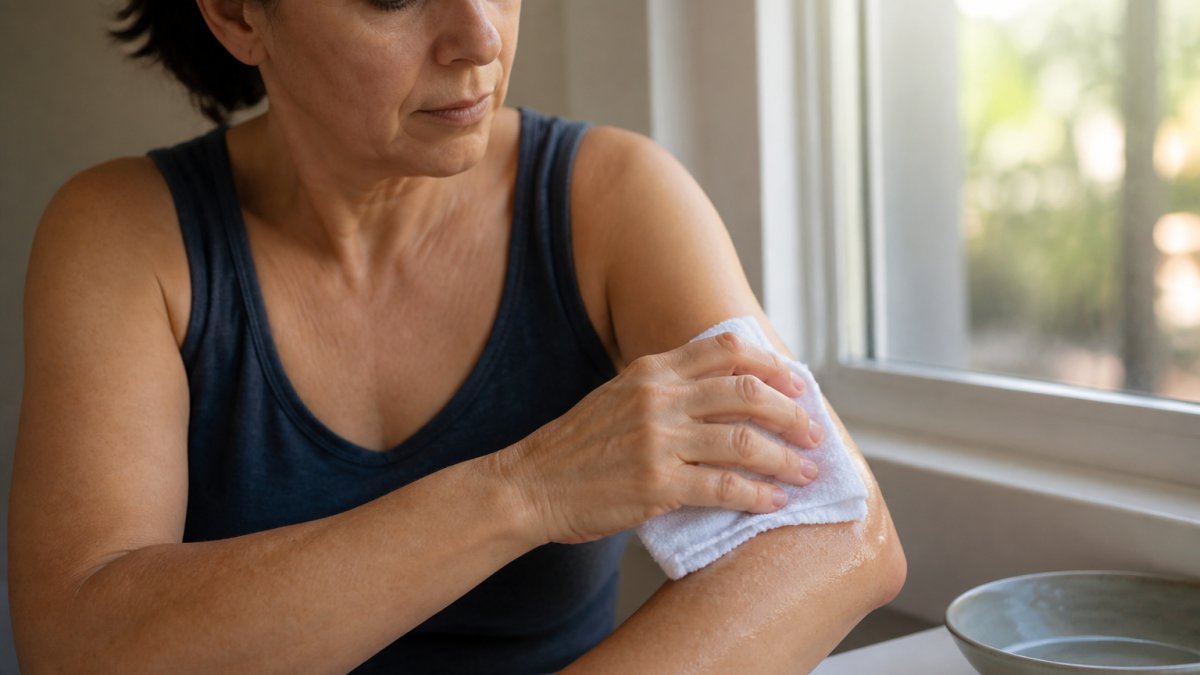
Minutes 0-5: Cool and Calm the Area
Cold slows the nerve signals that carry itch and calms redness and swelling.
- Press a cool, damp cloth on the spot for 5 to 10 minutes
- Or wrap an ice pack in a towel and hold it there
- Never put ice directly on bare skin
Pat the skin dry. Do not rub.
Minutes 5-15: Moisturize and Protect
Dry skin itches more, so moisturize next.
- Apply a thick, fragrance-free moisturizer while skin is still damp
- Choose a cream or ointment over a thin lotion
- Look for colloidal oatmeal, ceramides, or petrolatum
This rebuilds the skin barrier that keeps irritants out.
Minutes 15-30: Address the Cause
Now ask why it started. The fix depends on the trigger.
- Bug bite? Wash it, then use a cool compress
- Dry air? Run a humidifier and reapply moisturizer
- New soap or detergent? Stop using it today
If the itch spreads or comes with swelling or trouble breathing, get medical help right away, that is a serious allergic reaction, not a simple itch.
Key Takeaway
Cool first, moisturize second, treat the cause third. This order calms the itch fast and stops the scratch cycle before it takes hold.
What Causes Itchy Skin? A Decision Tree for Fast Relief
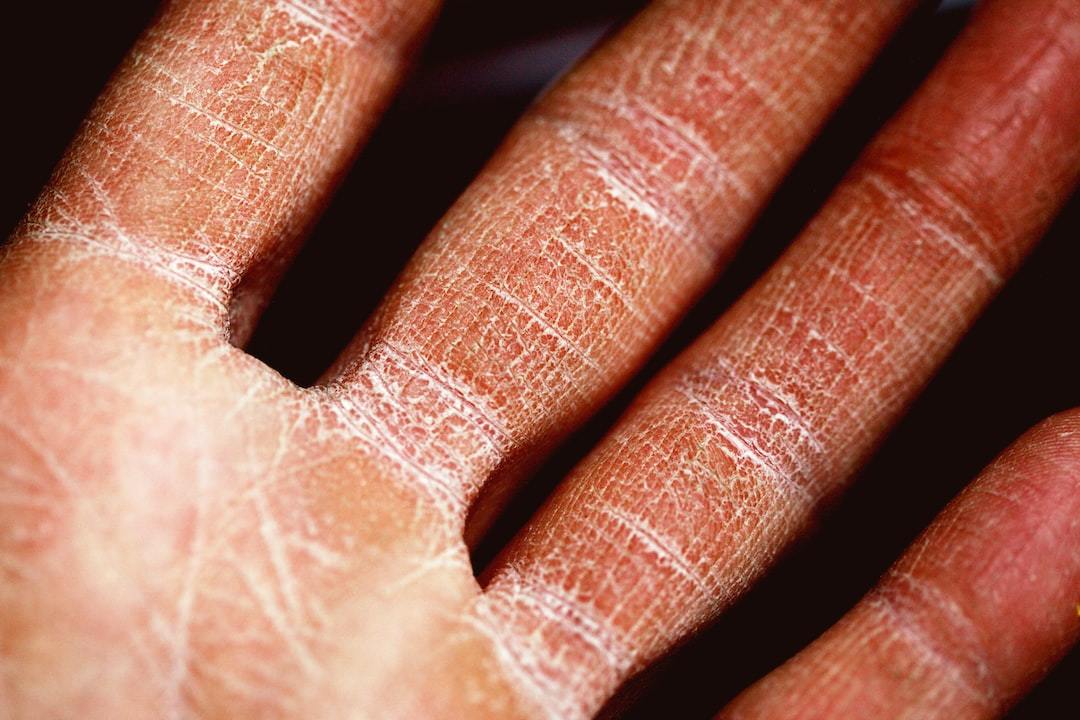
Itchy skin, also called pruritus, is the sensation that makes you want to scratch, and it can come from many causes. Matching cause to remedy is the fastest route to relief.
| If you notice... | Likely cause | Fast fix |
|---|---|---|
| Bites, welts, or a rash in one spot | Insect bites | Cool compress, then anti-itch cream |
| Dry, flaky, cracked skin | Dry skin | Thick moisturizer, humidifier |
| Redness after new soap or lotion | Irritant or allergen | Stop the product, rinse, cool the skin |
| Itchy, scaly patches that come and go | Eczema | Moisturize, avoid triggers, see a doctor |
| Silvery scales on elbows or knees | Psoriasis | Moisturize, get medical care |
| Itching with no rash at all | Nerve or internal cause | See a doctor |
Dry skin is the most common trigger, especially in winter, and a good moisturizer often fixes it within days.
If you cannot find a trigger, or the itch lasts more than two weeks, see a doctor.
Home Remedies for Itchy Skin That Work Fast
Home remedies for itchy skin work best when they cool, calm, or coat the skin. Here are the ones worth trying, ranked by speed.
- Cool compress or cool cloth. Hold it on the itch for 5 to 10 minutes. This is the fastest fix.
- Colloidal oatmeal bath. Add it to lukewarm water and soak for 10 to 15 minutes.
- Thick moisturizer. Apply within 3 minutes of bathing to lock in water.
- Menthol cream. Gives a cooling tingle that distracts from the itch.
- Lukewarm bath, not hot. Hot water strips oils and makes itching worse.
- Loose-fitting cotton clothes. Reduces rubbing and heat.
- Humidifier. Adds moisture to dry indoor air.
- Pat, do not scratch. Tap or press the skin instead.
A common mistake is a long, hot shower to "wash away" the itch. It dries the skin and the itch returns within the hour.
Another mistake: using scented lotions. Fragrance is a top irritant. Stick with unperfumed products.
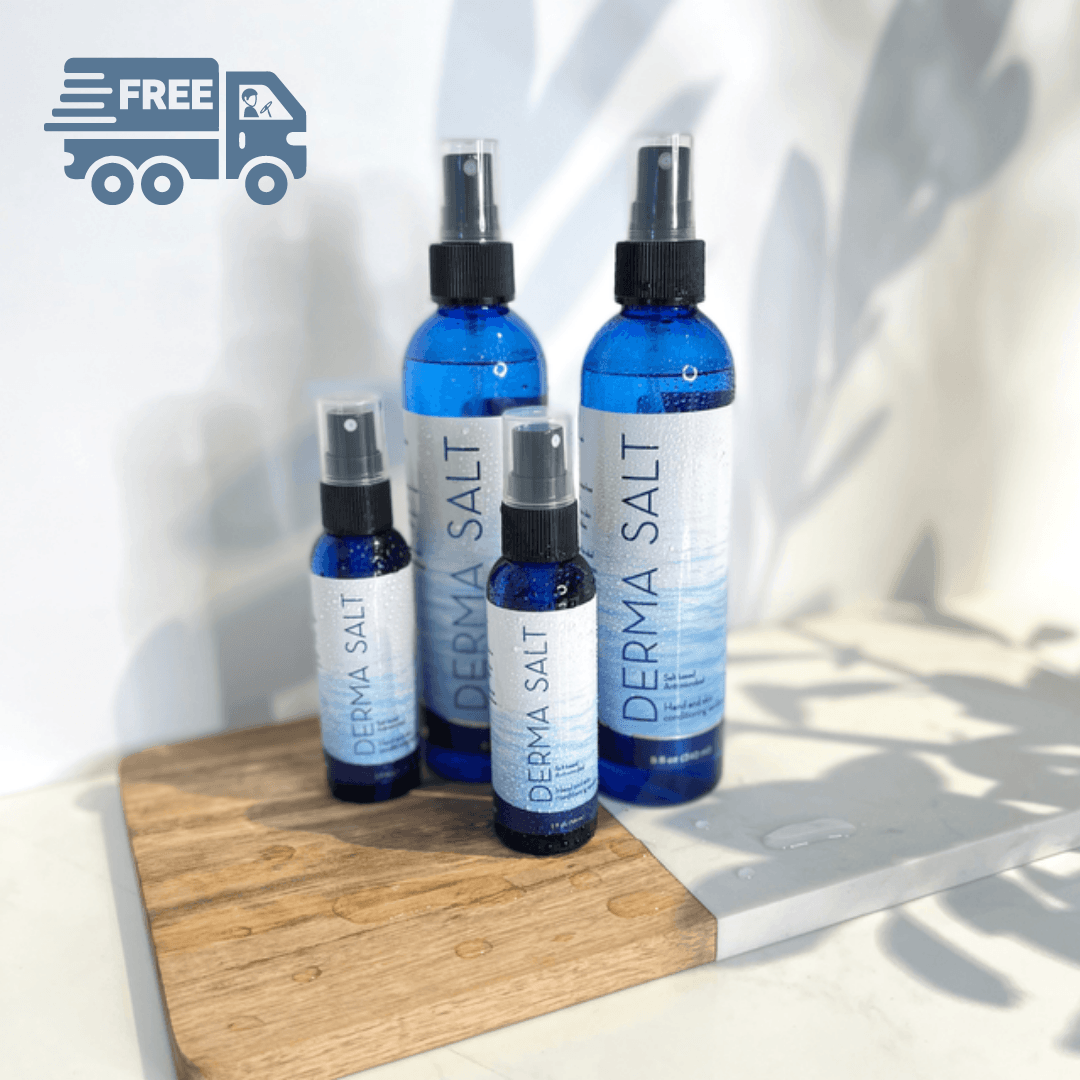
For a gentle, drug-free option, some people keep a mineral salt spray on hand. At Derma Salt, our formula uses mineral-rich salts and Kentucky spring water to help calm irritation and support the skin's pH balance.

Pro Tip
Apply moisturizer or a mineral spray within 3 minutes of getting out of the bath. This locks in water before it evaporates, and it makes the relief last much longer.
The Best Cream for Itchy Skin: What to Look For
The best cream for itchy skin depends on the cause and location. For everyday dryness, start with a fragrance-free moisturizer with ceramides, colloidal oatmeal, or petrolatum. For inflamed, red, raised itch, add over-the-counter hydrocortisone cream.
Start With a Barrier-Repair Moisturizer
Look for these on the label:
- Fragrance-free (not just "unscented", unscented products can still contain masking fragrance)
- Ceramides to rebuild the skin barrier
- Colloidal oatmeal to soothe irritation
Drugstore options include CeraVe Moisturizing Cream, Vanicream Moisturizing Cream, Aveeno Eczema Therapy Itch Relief Balm, and plain petroleum jelly. The ingredient list matters more than the brand.
Apply to damp skin within 3 minutes of bathing and reapply 2 to 3 times daily. A thick cream or ointment beats a thin lotion because it holds water longer.
When to Add Hydrocortisone 1%
Over-the-counter hydrocortisone 1% calms inflammation and itching from eczema, contact dermatitis, insect bites, and mild allergic rashes. It is not a moisturizer and not for everyday use.
Use it this way:
- Apply a thin layer, about the size of a pea for a patch the size of your palm
- Use it 1 to 2 times daily
- Stop after 7 days unless a clinician tells you otherwise
If pregnant, breastfeeding, or applying to a large area, ask a pharmacist or clinician first. Topical steroids are generally safe for short, limited use, but the risk-benefit picture changes with dose, area, and duration.
Antihistamines: Right Itch, Right Pill
Antihistamines help histamine-driven itching, allergic reactions, hives, insect bites, some contact reactions. They do little for dry skin or eczema itch, which is not primarily histamine-driven.
- Diphenhydramine (Benadryl) and chlorpheniramine are first-generation antihistamines. They cause drowsiness, which makes them useful at bedtime but risky for driving or operating machinery.
- Cetirizine (Zyrtec), loratadine (Claritin), and fexofenadine (Allegra) are second-generation. They cause less drowsiness and are better for daytime use.
- Follow the label dose. Do not stack two antihistamines at the same time unless a clinician tells you to.
Quick Product Guide
| Product type | Best for | How to use |
|---|---|---|
| Fragrance-free moisturizer | Dry, everyday itch | Apply 2-3 times daily, especially after bathing |
| Colloidal oatmeal cream | Eczema, irritation | Apply to damp skin |
| Hydrocortisone 1% | Red, inflamed itch | Thin layer, 1-2 times daily, up to 7 days |
| Oral antihistamine | Allergic itch, hives, night itch | Follow label directions; choose non-drowsy for daytime |
| Menthol gel | Quick cooling relief | Apply as needed; avoid broken skin |
Sensitive Groups and Delicate Areas
- Children: Use fragrance-free moisturizers freely. Ask a pediatrician before hydrocortisone or oral antihistamines, especially under age 2.
- Pregnancy and breastfeeding: Many moisturizers are fine. Check with a clinician before hydrocortisone, antihistamines, or menthol products.
- Older adults: Skin thins with age and absorbs more topical steroid. Use the lowest effective amount for the shortest time.
Watch Out
If hydrocortisone causes burning, thinning skin, stretch marks, or a worsening rash, stop using it and contact a clinician. These are signs the product is not right for your skin or the area you applied it to.
Pro Tip
Buy one fragrance-free moisturizer and one hydrocortisone 1% cream and keep both on hand. That two-product kit handles most everyday itches without a trip to the store.
How to Stop Itchy Skin at Night
Itchy skin at night is common because body temperature rises and skin loses moisture while you sleep. Cool the room, hydrate the skin, and stop the scratch before it starts.
Try these steps:
- Take a lukewarm bath before bed
- Apply a thick moisturizer right after
- Keep the bedroom cool and use a humidifier
Some people find that a cool shower and a mineral spray calm the skin enough to fall asleep. At Derma Salt, customers tell us the spray is easy to keep on the nightstand.
If night itching keeps you awake most nights, talk to a doctor. Sleep loss is a real sign that home care is not enough.
When to See a Doctor for Itchy Skin
Most itching responds to home care within days. Use this three-tier triage to decide which itch needs a clinician.
Tier 1: Call 911 or Go to the Emergency Room Now
These signs point to anaphylaxis or another emergency. Do not wait to see if they pass.
- Swelling of the face, lips, tongue, or throat
- Trouble breathing, wheezing, or a tight feeling in the chest
- Dizziness, fainting, or a rapid drop in blood pressure
If you have a prescribed epinephrine auto-injector and you have these symptoms, use it and call 911. Do not drive yourself.
Tier 2: See a Clinician Within a Day or Two
These signs are not emergencies, but they should not wait two weeks.
- Signs of skin infection: warmth, swelling, pus, red streaks spreading from the area, or fever
- A rash that is blistering, peeling, or painful rather than just itchy
- Itching after starting a new medication, bring the bottle or a photo of the label
- Itching with yellowing of the skin or eyes, dark urine, or pale stools (Cholestasis: MedlinePlus Medical Encyclopedia)
Tier 3: See a Clinician Within a Few Weeks
Book an appointment if any of these apply:
- Itching lasts more than two weeks despite home care
- Itching covers most of your body rather than one area
- Itching comes with no visible rash, redness, or bite
- Itching keeps coming back after it clears
Itching Without a Rash: Why It Matters
Itching with normal-looking skin is a distinct problem, and the one people self-treat longest. Without a rash, the cause is often below the surface, dry skin, medication side effects, thyroid problems, iron deficiency, kidney or liver disease, or a nerve condition.
Itching that is worst at night, all over the body, with no rash, is worth a medical visit even if mild, the skin itself is not the source.
What a Clinician Will Actually Do
Expect a focused visit, not a long workup on day one:
- A history of when the itch started, where it is, and what makes it worse
- A review of all medications and supplements, including over-the-counter ones
- A skin exam under good light, sometimes with a dermatoscope
- Blood tests if the skin looks normal, commonly a complete blood count, thyroid panel, liver and kidney function, and sometimes iron studies or HbA1c
Bring a list of every product that touches your skin, soap, detergent, lotion, shampoo, and a photo log if the rash comes and goes. That history shortens the path to a diagnosis.
What You Can Do While You Wait
Keep the home routine going: cool compresses, fragrance-free moisturizer, lukewarm showers, loose cotton clothing. Avoid new scented products or supplements, which can confuse the picture. For sleep, ask a pharmacist whether a non-drowsy or bedtime antihistamine suits you.
Watch Out
Do not ignore itching that comes with fatigue, unexplained weight change, or night sweats. These combinations are uncommon but worth a prompt medical check.
The American Academy of Dermatology guidance on itchy skin notes that persistent itching deserves a medical check, even when the skin looks normal. For a plain-language overview of possible causes, the MedlinePlus skin and itching overview is a trustworthy starting point.
Frequently Asked Questions
What is the fastest way to stop itching immediately?
Apply a cold compress or cool cloth to the area for 5-10 minutes. This numbs nerve endings and reduces inflammation. Follow with a fragrance-free moisturizer to protect the skin barrier. If you need extra relief, a colloidal oatmeal bath or an over-the-counter hydrocortisone cream can help. Avoid scratching, which worsens irritation and can lead to infection.
What causes itchy skin without a rash?
Itching without a visible rash often comes from dry skin, which is the most common cause. Other triggers include internal factors like stress, medication side effects, or underlying conditions such as liver or kidney issues. If the itch persists for more than two weeks or is widespread, see a doctor to rule out systemic causes.
Does a cold shower help itchy skin?
Yes, a cold or lukewarm shower can calm itching by reducing blood flow and numbing nerve endings. Keep it short (5-10 minutes) and avoid hot water, which strips oils and worsens dryness. After patting dry, apply a moisturizer within three minutes to lock in hydration. For best results, use a gentle, fragrance-free cleanser.
When should I see a doctor for itchy skin?
See a doctor if itching lasts more than two weeks, is severe enough to disrupt sleep, or comes with weight loss, fever, or night sweats. Also seek care if you notice yellowing skin, extreme fatigue, or a rash that spreads quickly. These signs may indicate an underlying condition that needs medical treatment.