Cart
0

Last Updated: October 28, 2026
Quick Summary
Safe skincare for reactive skin means supporting the barrier instead of adding more actives: use a gentle sulfate-free cleanser, a hydrating layer, a ceramide or squalane moisturizer, and mineral SPF 30 or higher. Avoid fragrance, drying alcohol, harsh sulfates, and aggressive acids, and patch test every new product for 24 hours before it touches your face.
- Reactive skin flares within minutes to hours of contact with a trigger it previously tolerated.
- Fragrance is the single most common cause of cosmetic contact reactions, and unscented does not mean fragrance-free.
- Patch test on the inner forearm or behind the ear, wait 24 hours, then repeat for two more days.
- During a flare, stop all actives and use only a plain moisturizer and sunscreen until skin settles.
- Use any active just twice a week at first, and see a dermatologist if a flare lasts beyond two weeks.
Table of Contents
- What Reactive Skin Actually Means (and How It Differs From Sensitive Skin)
- Common Triggers and Causes of Skin Reactions
- Ingredients to Avoid for Sensitive Skin
- How to Patch Test Skincare Products Before They Touch Your Face
- A Simple Skincare Routine for Sensitive Skin, Morning and Evening
- Hypoallergenic Skincare for Sensitive Skin: What the Label Really Tells You
- What to Do During a Flare-Up (and When to See a Dermatologist)
- Building Your Calming Routine Around Derma Salt
- Frequently Asked Questions
What Reactive Skin Actually Means (and How It Differs From Sensitive Skin)
Reactive skin is skin that overreacts to a trigger it could previously tolerate, producing redness, stinging, itching, or burning within minutes to hours of contact. Sensitive skin is a baseline tendency; reactive skin is a pattern of flare-ups tied to specific products, weather, or stress.
A common mistake is treating the two as the same thing. They are not.
- Sensitive skin reacts to many things, often mildly, most of the time.
- Reactive skin is usually calm until a trigger hits, then flares hard.
- Irritation is damage from a product or friction.
- Allergy is an immune response and can worsen with each exposure.
The skin barrier is the real story here. To understand pH balance, a key factor behind reactive skin, in more depth, read how to restore skin pH balance naturally. When the outer layer thins or loses lipids, water escapes and irritants get in. Barrier support, not more actives, is where recovery starts.
Common Triggers and Causes of Skin Reactions
Environmental and lifestyle triggers deserve more attention than they usually get:
- Friction: tight collars, rough towels, and mask edges.
Ingredients to Avoid for Sensitive Skin
The ingredients to avoid for sensitive skin are fragrance, drying alcohol, harsh sulfates, and aggressive acids used too often. Fragrance is the single most common cause of cosmetic contact reactions, and "unscented" does not always mean fragrance-free.
Fragrance, Drying Alcohol, and Harsh Sulfates
Fragrance mixes, essential oils, and botanical extracts can all trigger reactions, even when they sound natural. Plant extracts are not automatically gentler than synthetics. The American Academy of Dermatology's guidance on fragrance allergy notes that fragrance is a leading cause of allergic contact dermatitis.
Also watch for:
Aggressive Actives and Exfoliation
Gentler options exist. Lactobionic acid, a larger-molecule acid, exfoliates with less sting for many people. Enzyme exfoliation is another softer route. The U.S. Food and Drug Administration's cosmetics ingredient resources are worth checking when a label ingredient is unfamiliar.
How to Patch Test Skincare Products Before They Touch Your Face
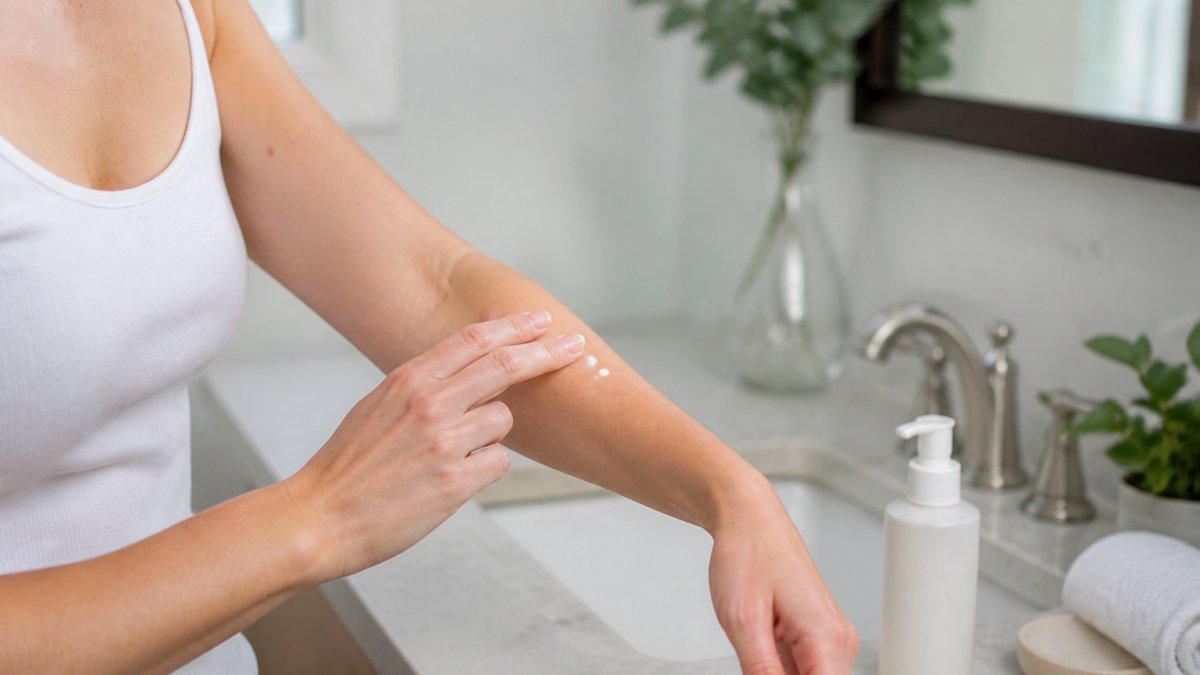
- Pick the spot: inner forearm or behind the ear, clean and dry.
- Apply a pea-sized amount and leave it uncovered.
- Wait 24 hours. Check for redness, swelling, or itch.
- Repeat on the same spot for two more days if clear.
- Then try the jawline for 48 hours before full-face use.
- Log the product and date so you can trace a reaction later.
Patch testing is a simple six-step process that keeps a new product off your face until you know how your skin responds.
| Step | What to do | Time or frequency |
|---|---|---|
| 1 | Pick inner forearm or behind the ear, clean and dry | Once |
| 2 | Apply a pea-sized amount and leave uncovered | Once |
| 3 | Wait and check for redness, swelling, or itch | 24 hours |
| 4 | Repeat on the same spot if clear | Two more days |
| 5 | Try the jawline before full-face use | 48 hours |
| 6 | Log the product and date to trace reactions | Every new product |
A Simple Skincare Routine for Sensitive Skin, Morning and Evening
The sequence below is built for reactive skin specifically. For a deeper, natural approach to calming sensitive skin while building your routine, see how to soothe sensitive skin naturally. It assumes you are starting from a calm baseline; if you are mid-flare, skip to the flare-up section first and return here once skin settles.
Step-by-Step: Your Morning and Evening Order
Morning:
- Cleanse gently. Rinse with lukewarm water or a soft cleansing gel. If skin feels tight after cleansing, your cleanser is too strong, switch to a cream or gel formula without sulfates.
- Apply a hydrating layer on damp skin. A serum with glycerin, hyaluronic acid, or panthenol helps hold water in the upper layers. Pat, don't rub.
- Seal with a lightweight moisturizer. Look for ceramides, squalane, or shea butter. This is the barrier-support step, not an optional one.
- Finish with mineral sunscreen, SPF 30 or higher. Zinc oxide and titanium dioxide are less likely to sting than chemical filters. Reapply every two hours outdoors.
Evening:
- Remove sunscreen with a gentle cleanser. A single cleanse is usually enough for mineral sunscreen; double-cleansing is optional and can over-strip reactive skin.
- Apply soothing ingredients like colloidal oatmeal, aloe vera, or licorice root. These calm visible redness and reduce the sting sensation.
- Seal with a slightly richer moisturizer than your morning one. Night is when barrier repair happens, so this layer can be more occlusive.
- Use any active just twice a week at first. Retinoids, acids, and vitamin C are the usual culprits. Apply them after cleansing and before moisturizer, and buffer with moisturizer if stinging lasts more than a minute.
How to Adjust Frequency Without Triggering a Flare
Layering order matters more than most people think. Thin textures go first, occlusives go last. Our guide on layering mineral spray with moisturizer explains why.
Hypoallergenic Skincare for Sensitive Skin: What the Label Really Tells You
What actually helps when you read a label:
- Short ingredient lists are easier to audit.
- "Fragrance-free" beats "unscented."
- Fewer botanical extracts means fewer variables.
- Patch test every new product, regardless of claims.
- Check for product precautions on acids and retinoids.
The FDA's consumer information on cosmetic labeling explains what terms are and are not regulated. That context keeps you from over-trusting marketing language.
What to Do During a Flare-Up (and When to See a Dermatologist)
During a flare-up, stop all actives, rinse with cool water, and use only a plain moisturizer and sunscreen until skin settles. Most mild flares calm within a few days. If you need faster relief, our guide on how to stop skin itching fast covers practical steps for the first 24 hours.
The First 72 Hours: A Reset Plan
What to pause immediately:
- Retinoids, acids (including gentle ones like lactobionic), and exfoliants.
- Vitamin C serums and any product with fragrance or essential oils.
- Makeup, especially anything with fragrance or long-wear formulas.
- Hot showers, saunas, and strenuous exercise that causes heavy sweating.
What to keep:
- A gentle, fragrance-free cleanser, or just lukewarm water if skin is very raw.
- A plain moisturizer with ceramides or petrolatum. Apply it while skin is still damp.
- Mineral sunscreen if you go outdoors. If sunscreen stings, use a hat and shade instead until skin calms.
What to do day by day:
- Day 1: Rinse with cool water, apply moisturizer, skip everything else. Avoid scratching.
- Day 2-3: If redness is fading, continue the same routine. Do not reintroduce actives yet.
- Day 4-7: If skin is calm, reintroduce one product at a time, starting with the one you suspect is least likely to irritate (usually your moisturizer).
- Beyond one week: If the flare is not improving, stop guessing and see a dermatologist.
Irritation, Allergy, or Something Else?
These three look similar but need different responses:
Watch Out
Seek medical care promptly if you have facial swelling, trouble breathing, blistering, a spreading rash, fever, or a flare that lasts beyond two weeks. Those signs point to allergy or a skin condition, not simple irritation. The American Academy of Dermatology's advice on when to see a dermatologist is a useful checklist.
Rebuilding After the Flare
Once skin is calm for a full week, rebuild slowly. Start with your cleanser and moisturizer for three days, then add sunscreen, then one active at twice-weekly frequency. If you react again, you have found your trigger, log it and avoid it in future routines.
Building Your Calming Routine Around Derma Salt
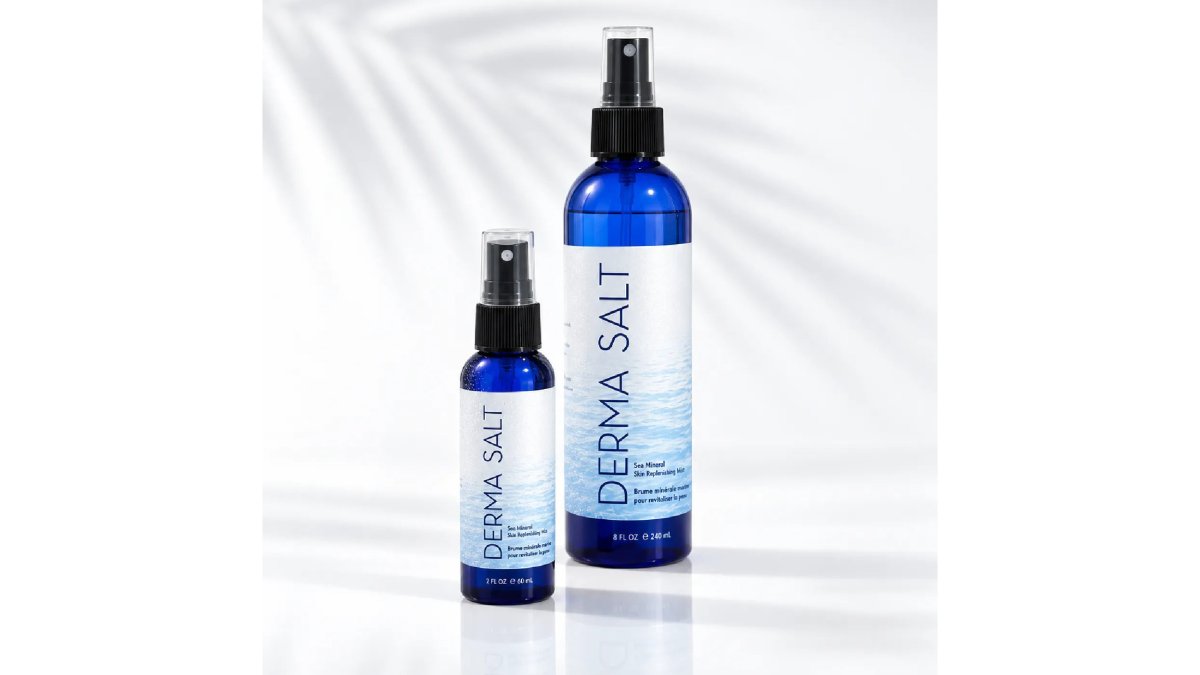
Our mineral spray uses a blend of skin-friendly salts and mineral-rich Kentucky spring water, with no alcohol, chlorine, fragrance, or synthetic chemicals.
What it does, in plain terms:
It is not a medication. You can shop the Derma Salt single pack.

Frequently Asked Questions
What is the difference between sensitive skin and reactive skin?
Sensitive skin is a long-term tendency toward stinging, tightness, or redness. Reactive skin flares up in response to a specific trigger, such as a new product, fragrance, sun exposure, or stress, and often settles once the trigger is removed. A person can have both. Tracking what you used and when a reaction started is the fastest way to tell the two apart, and it helps you decide whether to adjust your routine or see a dermatologist.
What ingredients should people with reactive skin avoid?
Watch for fragrance and essential oils, drying alcohol, harsh sulfates, and aggressive actives like strong retinoids or frequent exfoliation. These are the ingredients to avoid for sensitive skin because they can strip the skin barrier and set off redness or stinging. Read the full ingredient list rather than front-label claims, and introduce one new product at a time so you can trace a reaction back to its source.
How long should you test a skincare product before using it regularly?
Apply a small amount to your inner forearm or behind the ear and wait 24 to 48 hours. If there is no redness, itching, or burning, repeat on a small patch of your face for another two to three days before using it more widely. Some reactions build up over repeated use, so keep watching during the first two weeks. Stop at the first sign of irritation and note the product and date.
Is hypoallergenic skincare safe for reactive skin?
Hypoallergenic is a marketing term, not a regulated standard, so it does not guarantee a product will suit your skin. Treat it as a starting point and still check the ingredient list for fragrance, alcohol, and harsh actives. A fragrance-free formula with a short ingredient list, like Derma Salt's blend of mineral-rich salts and Kentucky limestone spring water, is easier to patch test and less likely to trigger a reaction.
Reactive skin does not need a ten-step routine. It needs fewer products, better labels, and one calming layer you trust. Derma Salt was built for exactly that: a fragrance-free mineral spray that supports pH balance, helps fight bacteria, and calms dryness, redness, and itching without harsh chemicals. Get started with Derma Salt and give reactive skin the simple, steady routine it has been asking for.