Cart
0
Last Updated: November 1, 2026
Quick Summary
A natural eczema treatment for adults works best as a steady plan built on gentle skin care, barrier repair, and trigger control, since no single remedy cures eczema. Build your routine from well-supported measures like colloidal oatmeal, thick fragrance-free moisturizers, and wet wrap therapy, then add limited-evidence options one at a time.
- Apply moisturizer within three minutes of bathing, while skin is still damp.
- Soak in a lukewarm colloidal oatmeal bath for 10 to 15 minutes, no longer.
- Patch test any new oil, spray, or cream for 24 to 48 hours on intact skin.
- Skip oils and sprays on weeping or cracked skin and use only fragrance-free moisturizer.
- See a dermatologist if itching disrupts sleep or skin shows signs of infection.
Table of Contents
- Why Natural Eczema Treatment for Adults Needs a Realistic Plan
- Eczema Home Remedies for Adults: What the Evidence Actually Shows
- Natural Remedies for Eczema Itching That Calm the Skin
- How to Use an Oatmeal Bath for Eczema Without Drying Your Skin
- How to Soothe Eczema Flare-Ups: A Step-by-Step Routine
- Diet, Supplements, and Complementary Approaches: Setting Realistic Expectations
- Treatments to Avoid or Use With Caution
- When to See a Dermatologist for Eczema
- Frequently Asked Questions
Why Natural Eczema Treatment for Adults Needs a Realistic Plan
Eczema is a chronic inflammatory skin condition that causes dry, itchy, and inflamed skin, and it affects adults just as often as children.
That framing matters. Many people try five remedies in a month, see no change, and give up.
If you want a broader framework, our guide on how to manage chronic eczema naturally walks through a plan you can follow at home.
Eczema Home Remedies for Adults: What the Evidence Actually Shows
Not every natural eczema remedy deserves equal confidence. The honest way to build a plan is to sort options by how strong the evidence is, then layer in safety checks. Here is that sorting, with adult-specific notes throughout.
Tier 1: Well-Supported Skin-Care Measures
These are the measures most dermatology guidance agrees on, and they should carry most of your routine.
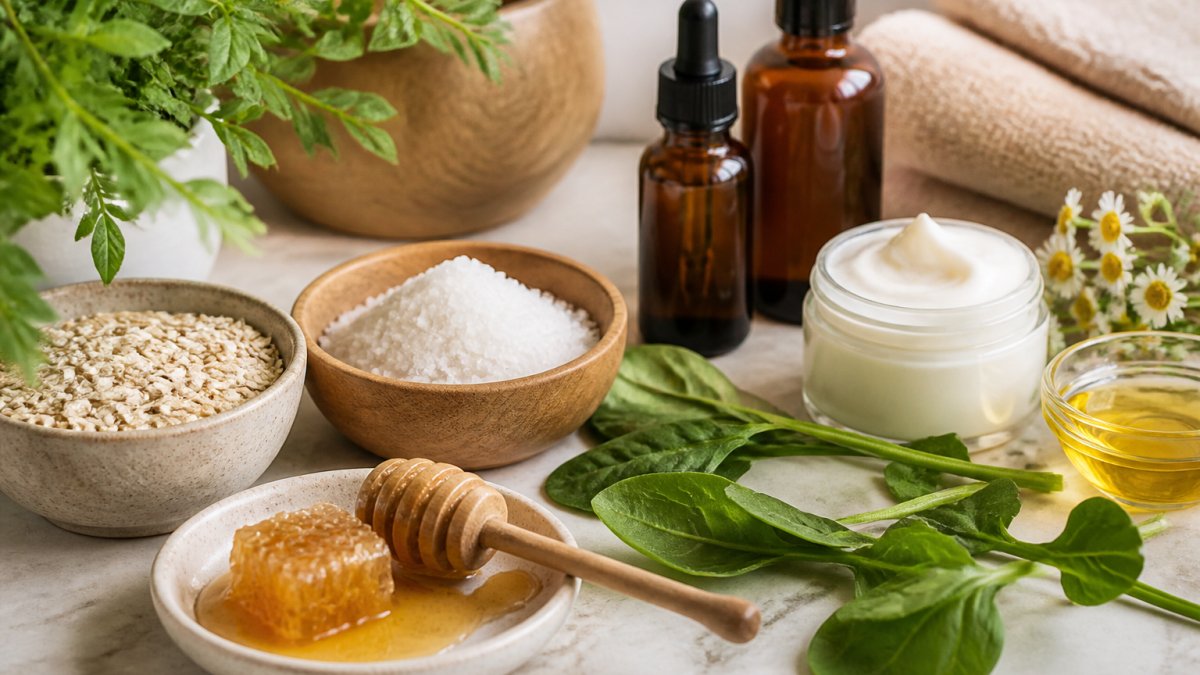
- Colloidal oatmeal. Finely ground oat delivers beta-glucans and avenanthramides that calm irritation and support hydration. The FDA monograph on skin protectants recognizes colloidal oatmeal as a skin protectant, which is why it appears in so many over-the-counter eczema products. Use it in a lukewarm, short soak, then moisturize promptly.
- Thick, fragrance-free moisturizers. Eczema is at its core a barrier problem, so barrier repair is the foundation. Look for ceramides, glycerin, or petrolatum. Creams beat lotions for dry adult skin. Apply twice daily and always after bathing. If you use a mineral spray, learn how to layer mineral spray with moisturizer so both steps work together.
- Wet wrap therapy. A damp cotton layer under a dry layer calms inflamed skin and boosts moisturizer absorption. It is well established for flare-ups and is especially useful for adults whose eczema disrupts sleep.
Tier 2: Limited or Mixed Evidence
These have plausible mechanisms and anecdotal support, but the research is thinner or inconsistent. Treat them as supporting cast, not the main event.
- Plant oils as emollients. Coconut and sunflower oil are the two most studied. Sunflower oil is generally better tolerated; coconut oil can sting on broken skin. Apply only to intact, dry patches, never to cracked or weeping skin, where oil traps heat and can worsen irritation.
- Mineral salt sprays. Salt helps limit the moisture bacteria need to grow, and mineral-rich water can support skin pH balance. Evidence for eczema specifically is limited, but many adults find them useful for daytime itch. Patch test first.
- Stress-reduction practices. Meditation and similar approaches have modest but real value because stress is a known trigger. They complement skin care; they do not replace it.
Tier 3: Use With Caution or Avoid
- Undiluted essential oils. Tea tree, lavender, and citrus oils can irritate sensitive adult skin. Dilute heavily or skip.
- Hot water soaks. They feel good briefly and strip the barrier.
- Bleach baths without medical guidance. Dilution matters, and unsupervised use can irritate skin.
Watch Out
Natural does not mean safe. Patch test any new oil, spray, or cream on a small area of intact skin for 24 to 48 hours before wider use. If a remedy stings, burns, or makes redness worse, stop, that is your skin telling you something.
Why Adult Eczema Needs Its Own Lens
Adult eczema often shows up differently than childhood eczema: hands, eyelids, and neck are common sites, and work exposures (cleaning products, frequent handwashing, industrial irritants) plus sleep disruption are major triggers. That is why the tiers above emphasize low-irritation, barrier-first measures and why patch testing matters more for adults with years of cumulative skin exposure.
Key Takeaway
Build your plan from Tier 1. Add Tier 2 options one at a time so you can tell what helps. Skip Tier 3 unless a clinician guides you.
Natural Remedies for Eczema Itching That Calm the Skin
Itch relief is where natural remedies for eczema itching earn their keep. The goal is simple: calm the skin, cool the irritation, and stop the scratch cycle before it starts.
Salt and Mineral Sprays
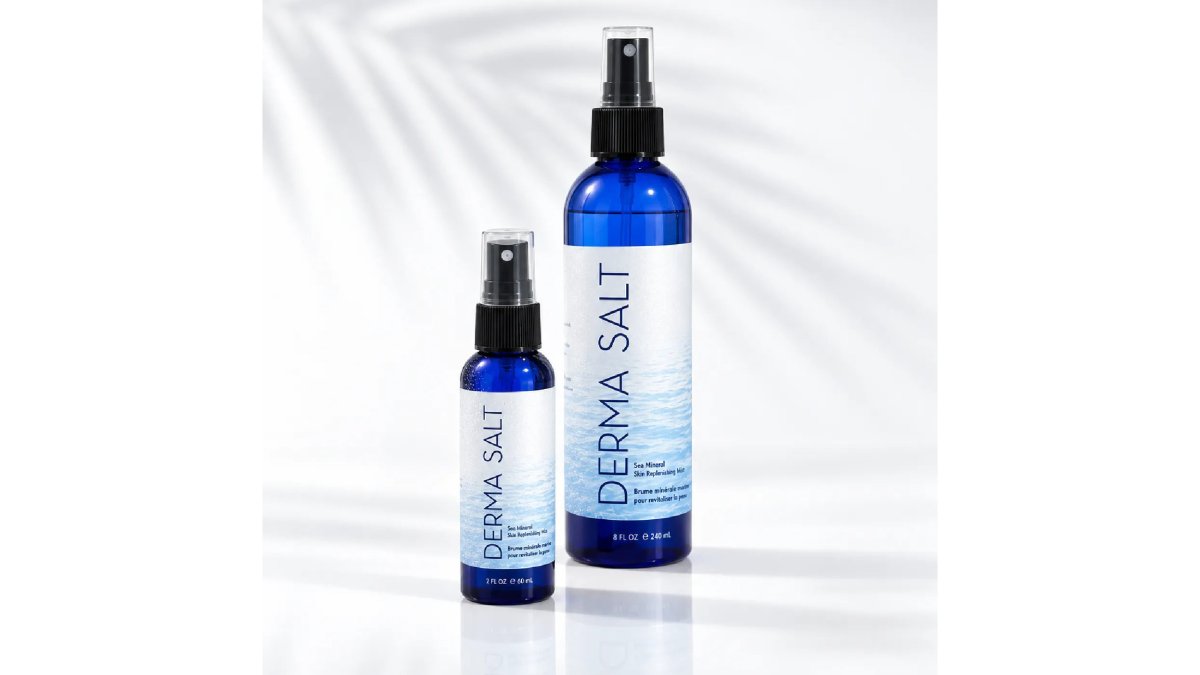
Mineral salt sprays are a practical option for itchy, irritated skin. Derma Salt uses a blend of mineral-rich salts and Kentucky limestone spring water, with no alcohol, fragrance, or synthetic chemicals.
For a deeper look at mineral sprays for dry, itchy skin, read which natural mineral spray actually relieves dry, itchy skin. If you already know you want to try one, you can shop the Derma Salt single pack at $24.00.

Coconut Oil, Sunflower Oil, and Other Emollients
Plant oils are commonly used as emollients. Coconut oil can sting on broken skin, so patch test before use.
A common mistake is applying oil to cracked, weeping skin. That traps heat and can worsen irritation. Use oils on intact, dry patches instead.
How to Use an Oatmeal Bath for Eczema Without Drying Your Skin
An oatmeal bath soothes eczema only if you get the details right. Hot water and long soaks strip the skin barrier and leave you itchier than before. Follow these steps:
- Fill the tub with lukewarm water, not hot.
- Add colloidal oatmeal and stir until the water turns milky.
- Soak for 10 to 15 minutes, no longer.
- Skip soap, or use a fragrance-free cleanser only where needed.
- Pat dry with a soft towel; do not rub.
- Apply moisturizer within three minutes, while skin is still damp.
That last step is the one most people skip, and it is the one that protects skin hydration most.
An oatmeal bath only helps if you get the details right, so follow these steps in order.
| Step | What to do |
|---|---|
| 1 | Fill the tub with lukewarm water, not hot |
| 2 | Add colloidal oatmeal and stir until water turns milky |
| 3 | Soak for 10 to 15 minutes, no longer |
| 4 | Skip soap, or use fragrance-free cleanser only where needed |
| 5 | Pat dry with a soft towel; do not rub |
| 6 | Apply moisturizer within three minutes, while skin is damp |
How to Soothe Eczema Flare-Ups: A Step-by-Step Routine
To soothe eczema flare-ups, you need a repeatable routine plus a decision layer for adult life, work, sleep, and when to escalate. Here is the sequence, followed by the adult-specific guidance most articles skip.
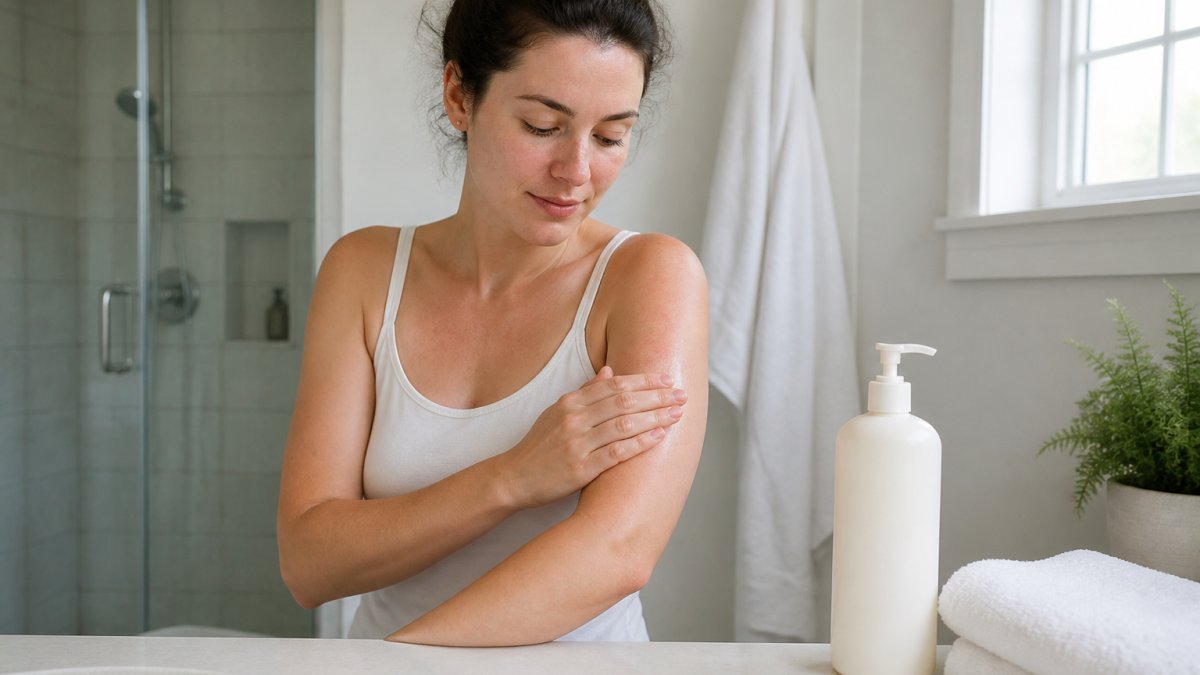
The Core Routine
- Cool the skin first. Apply a cool compress for ten minutes to bring down irritation.
- Cleanse gently. Use lukewarm water and a fragrance-free wash.
- Moisturize while damp. Seal in hydration within three minutes of bathing.
- Spot-treat itchy areas. A mineral spray or prescribed topical cream goes on next.
- Cover and protect. Loose cotton clothing reduces friction and scratching.
- Repeat morning and night. Consistency beats intensity.
Choosing Remedies by Symptom and Skin Sensitivity
- Dry, tight, flaky skin: prioritize a thick ceramide or petrolatum cream twice daily.
- Intense itch with intact skin: cool compress, then a mineral spray, then moisturizer.
- Weeping or cracked skin: skip oils and sprays; use only fragrance-free moisturizer and call your clinician if it persists.
Adult-Specific Triggers to Manage
Adult flare-ups often trace to work and daily life: frequent handwashing, cleaning products, industrial irritants, wool or synthetic clothing, dust mites, and stress. Switch to fragrance-free detergent, wear soft cotton layers, and keep a two-week trigger log, patterns show up fast. If hand eczema is your pattern, moisturize after every wash, not just morning and night.
Sleep and Work Impacts
Itch that disrupts sleep worsens stress, which worsens itch, a cycle worth breaking. Apply moisturizer before bed, keep nails short, and use cool compresses at night. At work, keep a fragrance-free moisturizer at your desk and wash hands with lukewarm water rather than hot.
When Home Care Is Not Enough
Home care complements but does not replace prescribed treatment. Seek prompt medical attention for signs of infection, oozing, crusting, warmth, or spreading redness, or if itching disrupts sleep despite consistent home care. Adults with moderate to severe eczema may need topical treatment, oral medication, or biologics that natural methods cannot replace.
Pro Tip
Pair this routine with the evidence tiers above: build from well-supported measures first, add limited-evidence options one at a time, and stop anything that stings or worsens redness.
Diet, Supplements, and Complementary Approaches: Setting Realistic Expectations
Diet and supplements are where natural eczema advice gets oversold. The evidence is thin for most claims.
Complementary approaches like meditation and stress-reduction practices have modest but real value, since stress is a known trigger. Traditional Chinese medicine and Ayurvedic medicine have anecdotal support but limited high-quality evidence for eczema specifically.
Our take: treat diet and supplements as supporting players, not the main event.
Treatments to Avoid or Use With Caution
Some popular natural remedies do more harm than good. Watch out for these:
- Essential oils applied undiluted. Tea tree, lavender, and citrus oils can irritate sensitive skin.
- Hot water soaks. They feel good for a minute and strip the barrier.
- Bleach baths without medical guidance. Dilution matters, and unsupervised use can irritate skin.
If a remedy stings, burns, or makes redness worse, stop. That is your skin telling you something.
When to See a Dermatologist for Eczema
See a dermatologist if itching disrupts sleep, skin shows signs of infection (oozing, crusting, warmth, or spreading redness), or flare-ups keep returning despite consistent home care. Adults with moderate to severe eczema may need topical treatment, oral medication, or biologics that natural methods cannot replace.
Natural care and medical care are not opposites. Use both.
For nighttime itch specifically, our guide on what helps eczema itching at night covers seven steps you can start tonight.
Frequently Asked Questions
What's a good homemade remedy for eczema?
Colloidal oatmeal is the best-studied homemade option. Grind plain rolled oats into a fine powder, add a cup to a warm (not hot) bath, and soak for 10 to 15 minutes. Follow with a fragrance-free moisturizer within three minutes of patting dry. Cool compresses and plain petroleum jelly also help calm itchy, dry skin. Avoid adding essential oils or fragrances to homemade mixtures, since they can trigger irritation on sensitive skin.
Are oatmeal baths helpful for eczema?
Yes. Colloidal oatmeal is commonly used in over-the-counter skin-care products for itchy, irritated skin. Use lukewarm water, keep the soak to 10 to 15 minutes, and moisturize immediately afterward. Skip harsh soaps and bubble products during the bath. If your skin stings or feels more irritated after soaking, shorten the bath or reduce how often you take one.
Can natural oils help with eczema, or might they irritate the skin?
Some oils help and some hurt. Coconut oil, sunflower seed oil, and mineral oil are generally well tolerated and support skin hydration. Essential oils, citrus oils, and tea tree oil are common irritants and allergens, so avoid them on inflamed skin. Patch test any new oil on a small area of your inner forearm for 24 to 48 hours before applying it more widely, and stop using it if redness or itching increases.
When should an adult with eczema see a dermatologist?
See a dermatologist if your eczema does not improve after two to four weeks of consistent home care, if flare-ups keep returning, or if itching disrupts sleep. Seek care promptly if you notice signs of infection such as spreading redness, warmth, swelling, pus, or fever. A dermatologist can confirm the diagnosis, rule out other conditions, and discuss prescription options including topical steroids, oral medication, or biologics when natural approaches are not enough.
Managing eczema as an adult takes patience, and the right tools make it easier. Derma Salt offers a gentle, non-toxic mineral spray that supports pH balance, helps fight bacteria, and relieves dryness, redness, and itching without harsh chemicals. It is designed to sit alongside your existing routine, not replace it. Get started with Derma Salt and give your skin a simpler, calmer daily habit.